Filter By

Categories

Categories

Selections

Selections

Year of publication:

Year of publication:

Publication language:

Publication language:

Faculty:

Faculty:

UPJŠ Unit

UPJŠ Unit

Method of publication:

Method of publication:

Active filters

  • Categories: Science
  • Year of publication:: 2011
  • Year of publication:: 2013
  • Year of publication:: 2019
  • Year of publication:: 2024
  • Year of publication:: 2024
  • Year of publication:: 2024
  • Publication language:: Slovak
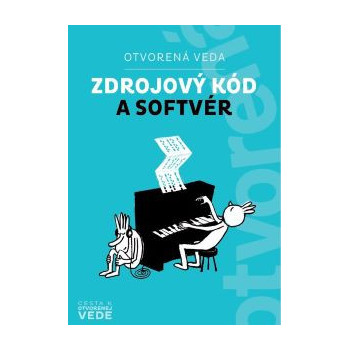
Otvorená veda – Zdrojový kód a softvér

Otvorená veda – Zdrojový kód a softvér

E-book

E-book

Pellegrini François et al.

The guide forms part of the Pathway to Open Science collection by the French Ministry of Higher Education and Research. It addresses the specific challenges related to opening source code and software created and used in scientific research. It provides answers and tools that can be immediately implemented in practice.

You will find here the key to understanding the role of software in the open science ecosystem.

We hope this will encourage you to contribute your work to this effort and the long-term benefit of the academic community.

Download the e-book for free

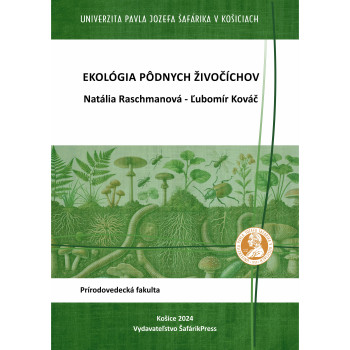
Ecology of Soil Animals

Ecology of Soil Animals

E-book

E-book

Natália Raschmanová - Ľubomír Kováč

The text summarizes the basic knowledge about the functioning of the soil ecosystem with a focus on soil protists and dominant groups of soil animals. Characteristics of each soil animal group include basic morphology, ecology, distribution, population dynamics and their importance in the soil ecosystem. The aim of the text is to gain a basic understanding of the diversity and interactions of soil fauna with the soil environment. It deals with the ecological classification of soil fauna on the basis of body size, presence in the soil during the life cycle, food preference and by locomotion. It highlights important morphological and ecophysiological adaptations of soil fauna to physical and chemical environmental factors. The text also gives an overview of the basic methods in the field collection of soil fauna and their extraction from soil samples under laboratory conditions. It further informs on the method of taxonomic identification and ecological evaluation of soil fauna communities. Discusses the soil fauna of different types of ecosystems. It highlights the differences in soil fauna communities that inhabit grassland and forest habitats, and agricultural soils. This teaching material is intended for students in biology degree programmes.

Download the e-book for free (pdf)

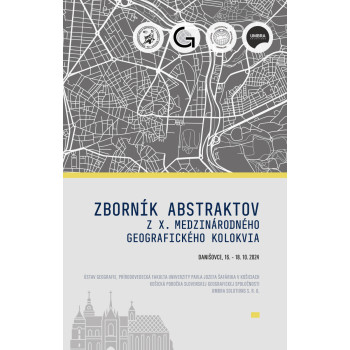
Zborník abstraktov z X. medzinárodného geografického kolokvia

Zborník abstraktov z X. medzinárodného...

E-book

E-book

Marián Kulla – Ladislav Novotný – Petra Dávidová – Anton Uhrin (eds.)

Danišovce 16. – 18. 10. 2024

Zborník abstraktov, ktorý máte pred sebou, obsahuje príspevky prezentované na X. Medzinárodnom geografickom kolokviu v Danišovciach. Ústav geografie na Prírodovedeckej fakulte UPJŠ v Košiciach toto podujatie organizuje už od svojho vzniku ako platformu na výmenu vedeckých poznatkov, primárne medzi geografmi zo Slovenska a Česka. Aktuálny jubilejný ročník spoluorganizovali Prírodovedecká fakulta UPJŠ v Košiciach, Slovenská geografická spoločnosť pri SAV v Bratislave v zastúpení jej Košickej pobočky a spoločnosť UMBRA Solutions Košice.

Download the e-book for free (pdf)

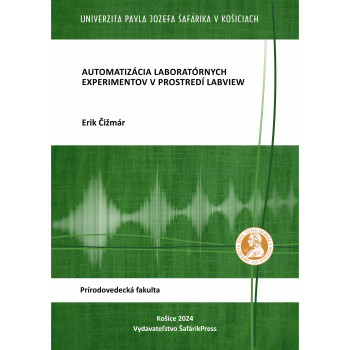
Automation of Laboratory Experiments in LabVIEW environment

Automation of Laboratory Experiments in LabVIEW...

E-book

E-book

Erik Čižmár

Textbook Automation of Laboratory Experiments in LabVIEW environment is devoted to the basics of graphical programming and shows the way how to communicate with measuring equipment and Arduino development boards in LabVIEW. The basic concepts of creating a virtual instrument and its interactive user environment are introduced. Three physical tasks are presented, the practical implementation of which takes place with the use appropriate instrumentation and LabVIEW. Practical tasks are dedicated to measuring the transmission characteristics of a low-pass RC filter, measuring the natural resonant frequency of a quartz tuning fork using the heterodyne pulse method, and mapping the magnetic field of a permanent magnet using Arduino.

Download the e-book for free (pdf)

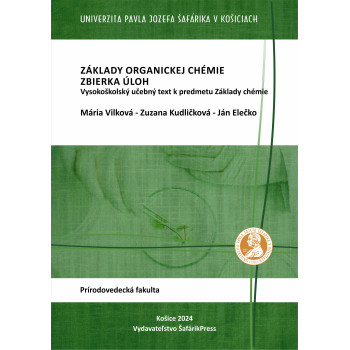
Základy organickej chémie.  Vysokoškolský učebný text k predmetu Základy chémie

Základy organickej chémie. Vysokoškolský...

E-book

E-book

Mária Vilková - Zuzana Kudličková - Ján Elečko

Organic chemistry is the chemistry of carbon. Organic compounds in the form of large molecules (macromolecules), such as nucleic acids, proteins, carbohydrates, and lipids are the basic elements of living organisms. This study material is created for non-chemistry students, especially students of biology. Most of these students have little or no knowledge of organic chemistry. Therefore, we proceed from the basic principles of organic chemistry to biochemistry.

The basic principles of organic chemistry and biochemistry are briefly summarized in individual chapters, but the main content consists of tasks for practising basic knowledge. To check the correctness of solving the tasks, the correct solutions are also given. The importance of this study material lies in the fact that students will get additional study material that they will use in studying the subject Basics of Chemistry.

Download the e-book for free (pdf)

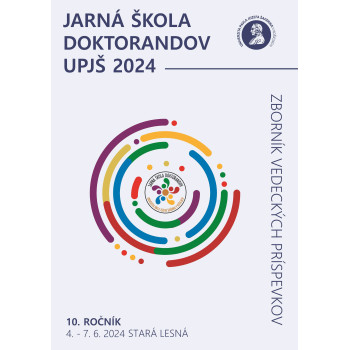
JARNÁ ŠKOLA DOKTORANDOV 2024

JARNÁ ŠKOLA DOKTORANDOV 2024

E-book

E-book

Monika Halánová (ed.)

On June 4-6, 2024, Stará Lesná will host the 10th year of the university-wide event ‘Spring School of Doctoral Students of Pavol Jozef Šafárik University in Košice’. As part of the professional program, there will be five plenary lectures by prominent experts from Pavol Jozef Šafárik University in Košice and Comenius University, and one workshop will be held. A total of 47 full-time doctoral students will present the results of their scientific research work, of which 23 doctoral students in the section of medical and natural sciences (Faculty of Medicine/Faculty of Science) and 24 doctoral students in the section of social sciences and humanities (Faculty of Law/Faculty of Public Administration/Faculty of Arts). Part of the professional program of the event will be a panel discussion with the Management of Pavol Jozef Šafárik University in Košice.

Download the e-book for free (pdf)

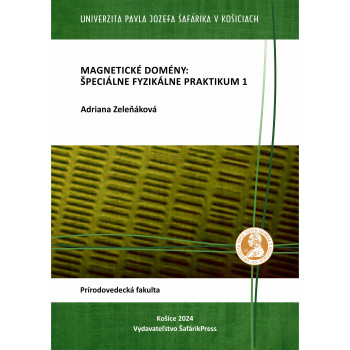
MAGNETIC DOMAINS: SPECIAL PHYSICAL PRACTICE 1

MAGNETIC DOMAINS: SPECIAL PHYSICAL PRACTICE 1

E-book

E-book

Adriana Zeleňáková

One of the fundamental characteristics of the magnetic state of ferromagnetic materials is the existence of a domain structure. The university textbook "MAGNETIC DOMAINS: SPECIAL PHYSICAL PRACTICE 1" is intended primarily for students of the Master's programme in Physics of Condensed Matter FKLm and for the PhD programme in Progressive Materials PMd within the profile subject Special Practice 1 at the Institute of Physical Sciences of the Faculty of Sciences of the Pavol Jozef Šafárik University in Košice.  The textbook is divided into seven chapters. The first chapter is devoted to the basics of domain theory, including the history of domain observation and the specification of different types of energies in ferromagnetic body. The second chapter presents the relationship between domain structure and magnetisation processes in ferromagnetic materials The third chapter describes the different types of domain-wall interactions with the defect. The fourth chapter illustrates examples of domain structure in selected ferromagnetic body such as grain oriented and non-grain oriented electrical steels, amorphous and nanocrystalline ribbons. The fifth chapter summarises an overview of the different experimental methods used to visualise the domain structure and their advantages or disadvantages with respect to the structure of ferromagnetic materials. The last two chapters, the sixth and the seventh, are devoted to specific experimental tasks for observing the domain structure of a selected polycrystalline sample using the optical microscope Bitter powder method and the MFM (magnetic force microscopy) method. During the preparation of this undergraduate text, its individual parts were developed using the foreign language literature listed in the recommended references.

Download the e-book for free (pdf)

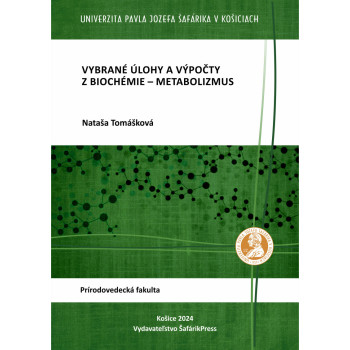
Vybrané úlohy a výpočty z biochémie – metabolizmus

Vybrané úlohy a výpočty z biochémie – metabolizmus

E-book

E-book

Nataša Tomášková

Selected tasks and problems from biochemistry – metabolism follow biochemistry lectures on metabolism and individual metabolic pathways for students of the second and third year of the bachelor’s degree in the fields of chemistry, biology and their combinations with other fields. Scripts provide an opportunity to better understand the lectured subject matter of metabolism through the solution of tasks and problems as serve as a basis for one-hour exercises. The scripts are divided thematically into eleven chapters, and each chapter contains 10 tasks and 7 problems. At the beginning of the chapters there is a short description and explanation of the given metabolic pathway. However, when solving the tasks, the student must focus mainly on the curriculum that was presented on the given topic in the lecture. Subsequently, at the end of chapter, answers to problems are also presented. These scripts are intentionally accessible only in electronic form. The reason is the effort to continuously update and modernize individual tasks.

Download e-book for free (pdf)

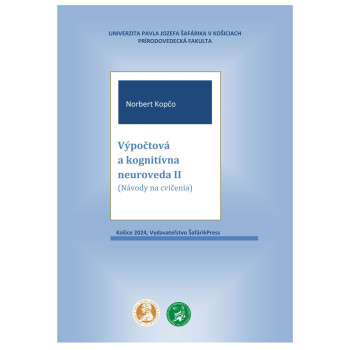
Výpočtová a kognitívna neuroveda II (Návody na cvičenia)

Výpočtová a kognitívna neuroveda II (Návody na...

E-book

E-book

Norbert Kopčo

Neuroscience is an interdisciplinary field of science at the interface of biological, psychological and computer sciences, which aims to describe the functioning of the brain and mind. Computational and cognitive neuroscience are subfields of neuroscience focused on the study of information processing in the human and animal nervous systems, and on the theoretical description of the brain and mind. This university textbook contains several assignments that provide an overview of the methods used in computational and cognitive neuroscience, with an emphasis on mathematical modeling and on the behavioral study of cognitive processes. The textbook builds on the author's previous works.

Download e-book for free (pdf)

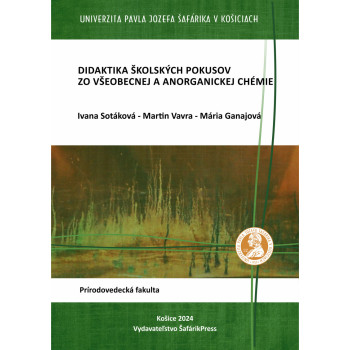
Didaktika školských pokusov zo všeobecnej a anorganickej chémie

Didaktika školských pokusov zo všeobecnej a...

E-book

E-book

Ivana Sotáková-Martin Vavra-Mária Ganajová

This textbook has been designed for the master students of chemistry teaching (combined) at the Faculty of Science, Pavol Jozef Šafárik University in Košice as a source of model school experiments in general and inorganic chemistry. It will be used for teaching the Special Practice of School Experiments I compulsory course. It consists of instructions for experiments related to the selected topics in general and inorganic chemistry as well as the didactic and technical aspects of their performance. Each experiment includes an explanation of the principle, specification of the tools and chemicals needed, working procedure, and the respective apparatus assembly scheme. At the end of each experiment, the observation and explanation necessary for the correct interpretation of the results of the chemical experiment performed are provided. To follow the requirements for the digital transformation of education, selected computer-aided experiments and visualiser projections have been included as well. The next part is focused on the work with the monitoring suitcase, which can be used for making simple field experiments related to environmental topics. The final part is dedicated to attractive experiments that complement the topics in inorganic chemistry and can be used to motivate students. All experiment instructions are in line with the requirements specified by the state educational programmes for primary and grammar schools. This book allows teachers to select appropriate demonstrative experiments or experiments for laboratory classes performed by students themselves. The videos of selected experiments are also available as part of the interactive periodical table of elements operated by the Institute of Chemistry, Faculty of Science, Pavol Jozef Šafárik University in Košice.

Download e-book for free (pdf)

Sekundárny metabolizmus (Úvod do štúdia prírodných látok)

Sekundárny metabolizmus (Úvod do štúdia...

E-book

E-book

Miroslava Martinková

This electronic material focuses on the subject of secondary metabolism and its products - secondary metabolites. The material gives an overview of the basic building blocks and construction mechanisms through which molecules can be synthesized in living organisms (plants). The processes of formation of the mentioned metabolites are explained using the basic mechanisms of organic reactions. Several of the secondary metabolites presented have a remarkable biological profile and are used as therapeutics or serve as lead compounds for the development of novel pharmacological agents. This electronic document is primarily intended for students of the Master's degree programme in Organic Chemistry as supporting material for the profile subject Chemistry of Natural Products.

Download e-book for free (pdf)

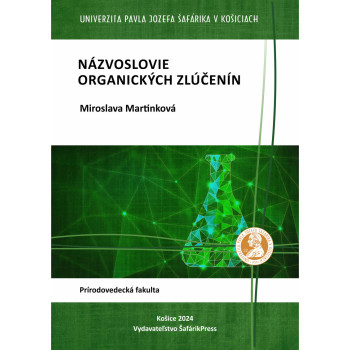
Názvoslovie organických zlúčenín

Názvoslovie organických zlúčenín

E-book

E-book

Miroslava Martinková

This electronic material provides the basic principles of creating a systematic nomenclature of organic compounds, from the simplest hydrocarbons to the more complicated nomenclature of carbohydrates. For some groups of derivatives, alternative ways of generating system names are also mentioned, as well as the most common trivial names that are still in use in the literature and in practice, in some cases being the characteristic (dominant) ones. In the introductory section, the basic rules to be respected when writing names of organic compounds are discussed. This document is intended primarily for interdisciplinary undergraduate and graduate students as support material for the courses Organic Chemistry and Selected Chapters in Organic Chemistry and Biochemistry. In the final section of this document, solved examples are given so that the student can check how the rules for forming the names of organic compounds have been understood.

Download e-book for free (pdf)

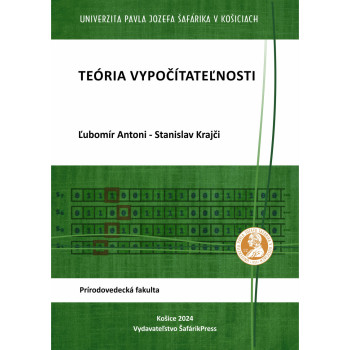
Teória vypočítateľnosti

Teória vypočítateľnosti

E-book

E-book

Ľubomír Antoni-Stanislav Krajči

An important part of theoretical computer science is the problem of Turing machines. This computational model has two basic properties: like any other computational program, the software of a Turing machine is composed of instructions, but in its case they are all of a single type. Every other (so far known) computer program can be transformed into a Turing machine program without loss of information. While the second feature reduces the question of what a calculator cannot do to the question of what a Turing machine cannot do, the first feature allows a much simpler investigation of such a question. Using this computational model, we can thus find concrete problems that no automaton can ever deal with (perhaps the most famous is the problem of the Turing machine stopping). Their existence demonstrates the fundamental limitations of (not only ideal) computational means, and thus encourages both criticality and humility in our thinking.

Download e-book for free (pdf)

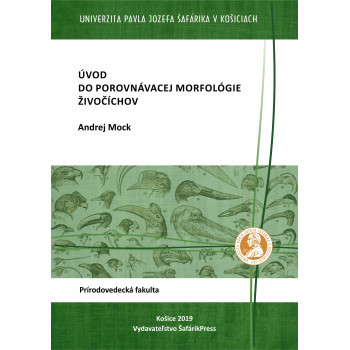
Úvod do porovnávacej morfológie živočíchov

Úvod do porovnávacej morfológie živočíchov

E-book

E-book

Andrej Mock

The structure of the animal body is extremely varied. Each species has its distinctive morphological features, which bears as a testimony to long-term development and belonging to the developmental lineage. At the same time, the body has been tested for a long time by natural conditions, resulting in unique adaptations to the environment and life strategy. Despite this admirable variety - which includes both recent and fossil animals and which we have far from mapped – a comparison of body parts brings knowledge we can generalize: the main building principles, and boundaries within which phenotypic diversity is realized.

Comparative animal morphology today uses the latest methodological material and knowledge from other disciplines, from genetics, molecular biology and experimental embryology, through progressive imaging methods (e.g. electron microscopy, computer micro-tomography) and the possibilities of subsequent software processing of image material (measurement, staining, etc.) to the view of physics, chemistry, statics and geometry on the structures (to nanostructures) of the living body. Detailed knowledge of historical and contemporary conditions on Earth is an important interpretative context in the study of animal morphology. Surprisingly, the knowledge accumulated after centuries of research is now rapidly supplemented by new knowledge, and often the traditional knowledge is subsequently reinterpreted. Finally, and no less important, in studying animal (and human) morphology, we learn surprising knowledge about ourselves.

The author of the presented textbook had the ambition in a simplified form to introduce the reader, especially the student of biological studies, into a dynamic and fascinating scientific discipline, as the current comparative animal morphology is.

Stiahnite si e-knihu zadarmo (pdf)

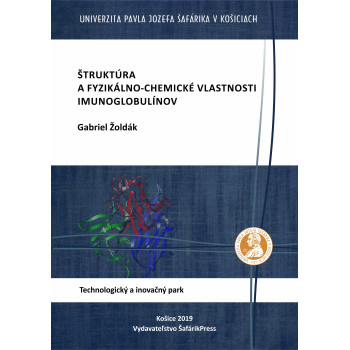
Štruktúra a fyzikálno-chemické vlastnosti imunoglobulínov

Štruktúra a fyzikálno-chemické vlastnosti...

E-book

E-book

Gabriel Žoldák

The textbook is intended as background material for university students and for education in science, biotechnology, and medicine. During the textbook conception, the emphasis was on recent trends and development in the understanding of the physicochemical properties of immunoglobulins.

The textbook is divided into ten chapters and 294 pages dealing with the following topics: Immune system and immunoglobulins, General properties of immunoglobulins, Chemical and proteolytic cleavage of immunoglobulins, Structure of immunoglobulins I, Structure of immunoglobulins II, Detection of immunoglobulins, Post-purification and purification immunoglobulin modifications, Immunoglobulin stability and aggregation, Therapeutic immunoglobulins. In addition to the summary of the established knowledge about the properties of immunoglobulins, the textbook also contains new information collected from recent scientific publications.

Download the e-book for free  (pdf)

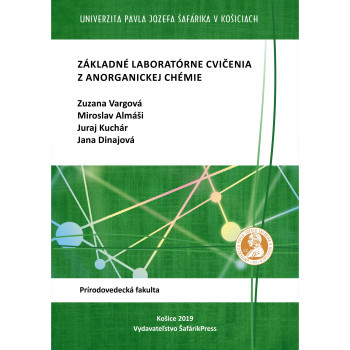
Základné laboratórne cvičenia z anorganickej chémie

Základné laboratórne cvičenia z anorganickej...

E-book

E-book

Zuzana VargováMiroslav Almáši - Juraj KuchárJana Dinajová 

The script „Základné laboratórne praktikum z anorganickej chémie“ builds on previous editions of the script, with some thematic units updated and supplemented with new knowledge, principles, and detailed work procedures.

This script is intended as a teaching aid for first-year students of the chemistry and interdisciplinary study programs at the Faculty of Science, Pavol Jozef Šafárik University in Košice. The introductory part of the volume acquaints students with safety regulations that they should follow during work in a chemical laboratory. Subsequently, in five chapters, basic laboratory techniques are described in detail, which students will use in the further part of the practices for preparing inorganic compounds. These chapters are enriched with illustrative images created using the freely distributable ACDFreeLabs 10 program or taken from literature listed at the end of the script. Some images were created by the authors, and others were taken from the catalog of Fisher Slovakia, s.r.o., which provided written permission for their use. The chapters describing the preparation of inorganic compounds are organized according to their composition, from simple elements or molecules, through binary compounds, acids, and salts, to complex compounds.

Within this subject, students should apply their theoretical knowledge gained during lectures on General Chemistry and Inorganic Chemistry and thereby acquire basic practical experience and skills that they will use in further studies.

The last two chapters were developed based on cooperation with Duslo a.s., Production Plant Strážske, which participates in the innovation of practical teaching through direct involvement of experts from practice as part of the KEGA project No. 008UPJŠ-4/2018.

Authors

Download the e-book for free (pdf)

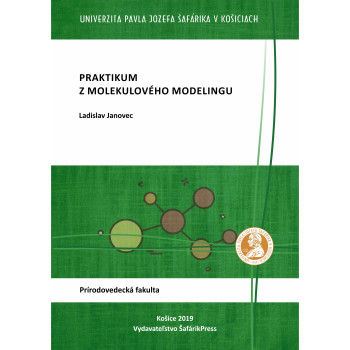
Praktikum z molekulového modelingu

Praktikum z molekulového modelingu

E-book

E-book

Ladislav Janovec

An enormous progress in computer technology, closely linked with advances in computational chemistry, has enabled the user to exploit the principles of quantum chemistry to elucidate the chemical phenomena.

Computational chemistry is the branch of science that requires, except an academic knowledge, software skills to fully exploit a potential of theoretical methods. The aim of this textbook is to help the user take the legendary first step in the field of computational chemistry to opening a new horizon of knowledge.

Download the e-book for free (pdf)

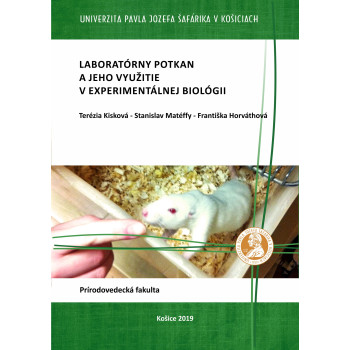
Laboratórny potkan a jeho využitie v experimentálnej biológii

Laboratórny potkan a jeho využitie v...

E-book

E-book

Terézia KiskováStanislav MatéffyFrantiška Horváthová

The laboratory rat (Rattus norvegicus) is one of the most commonly used experimental animals. It serves as a model organism for analyzing numerous biological processes and pathological mechanisms, such as cardiovascular diseases, metabolic disorders (e.g., lipid metabolism, diabetes mellitus), neurological and neuropsychiatric conditions (e.g., stroke, epilepsy, or Alzheimer's disease), neurobehavioral research, autoimmune diseases (e.g., arthritis), cancer, and renal diseases. It offers many unique advantages for modeling human diseases, testing drugs and natural substances, and studying responses to environmental factors. The size of the laboratory rat, compared to the mouse, creates ideal conditions for physiological manipulations. Additionally, rats are used in clinical toxicology to test chemical substances (Hedrich, 2000).

Download the e-book for free (pdf)

Študentská vedecká konferencia PF UPJŠ 2019

Študentská vedecká konferencia PF UPJŠ 2019

E-book

E-book

Katarína Cechlárová (ed.)

This year, the Student Scientific Conference was held on April 24, 2019, across 17 sections in disciplines such as biology and ecology, chemistry, physics, geography, mathematics, informatics, and their didactics. Bachelor’s and master’s students presented a total of 124 contributions. The most successful participants advanced to national or traditional Czech-Slovak student scientific showcases in fields like physics, chemistry, mathematics, informatics, and mathematics didactics.

In addition to faculty students, 10 high school students participated outside the competition. They were invited based on their achievements in subject-specific Olympiads or because they were already engaged with the faculty under the guidance of dedicated teachers in laboratory work as part of their preparation for future studies. The day also featured a programming competition with 23 participants, an IHRA contest involving 16 teams of high school students and 15 teams from elementary schools, and a new Puzzle section where 72 high school students from the region competed.

The abstracts from the Student Scientific Conference demonstrate that our faculty's students not only absorb theoretical knowledge delivered in lectures but also actively engage in solving partial scientific problems that align with research objectives at the institutes of PF UPJŠ. This collection serves as both a record of scientific activity at the faculty and a dignified presentation for the broader public.

Prof. RNDr. Katarína Cechlárová, DrSc.

Vice-Dean for Education

Doc. RNDr. Gabriel Semanišin, PhD.

Dean of the Faculty

Download the e-book for free  (pdf)

Cvičenia z biochémie mikroorganizmov

Cvičenia z biochémie mikroorganizmov

E-book

E-book

Mária Kožurková

These university textbooks are intended for first-year master's degree students at the Faculty of Natural Sciences of UPJŠ in Košice. The scope and content of the works included in these scripts are primarily based on time and spatial constraints, taking into account the material demands of the tasks.

The aim of these scripts is to teach students basic microbiological techniques and to show them the importance of microorganisms in everyday life and their crucial role in nature. The exercises are designed to enhance students' technical skills and teach them to work according to safety principles.

The text is divided into 13 parts. Each part begins with an introduction to the theory related to the practice topic. The appendix includes a proposal for the preparation of protocols for individual exercises.

Download the e-book for free (pdf)

Vybrané kapitoly z koloidnej chémie

Vybrané kapitoly z koloidnej chémie

E-book

E-book

Daniela Kladeková

Working with this study text requires adequate knowledge of physical chemistry, physics, and biology, as navigating the presented material becomes challenging without this foundation. A solid grasp of mathematics is essential and aids in understanding colloidal chemistry problems. The textbook, structured into individual chapters, first addresses optical and molecular-kinetic properties after classifying and characterizing disperse systems.

This university-level textbook is primarily intended for students in chemical and ecological disciplines at the Faculty of Science, Pavol Jozef Šafárik University in Košice. It does not aim to exhaustively cover every detail of the subject, as comprehensive treatments are already available in specialized monographs on colloid and macromolecular chemistry, as well as in foundational physical chemistry textbooks.

Download the e-book for free (pdf)

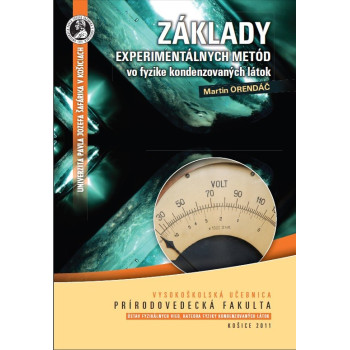
Základy experimentálnych metód vo fyzike kondenzovaných látok

Základy experimentálnych metód vo fyzike...

E-book

E-book

Martin Orendáč

The textbook is designed to prepare students who will engage in the experimental study of the properties of condensed matter. It demonstrates that a contemporary experimental physicist must not only possess sufficiently detailed knowledge of the physical processes occurring within the object under study but also understand the methods for creating the experimental conditions in which the experiment is conducted. Active knowledge of the functioning of the entire experimental setup can be of fundamental importance in the implementation or potential modification of the measurement methodology used.

Download the e-book for free (pdf)

Jadrová chémia

Jadrová chémia

E-book

E-book

Andrea Morovská Turoňová

The discovery of radioactivity at the turn of the 19th and 20th centuries stimulated the rapid development of nuclear sciences. At the interface between nuclear physics and chemistry, disciplines such as radiochemistry, radiation chemistry and nuclear chemistry were formed.

The aim of the Nuclear Chemistry course which is taught at the PF UPJŠ is to provide basic knowledge, with an emphasis on the general value of the subject. It is important to make available the basics of various methods, techniques and their specifics in the application of nuclear phenomena in chemistry and related fields. Emphasis is also placed on the use of correct terminology, knowledge of the context of relationships and basic principles, supplemented by illustrative concrete cases.

The choice of material is rather difficult, but we count on additional monographs and textbooks to fill in the gaps of these teaching texts.

Download the e-book for free (pdf)

Vybrané kapitoly z elektrochémie

Vybrané kapitoly z elektrochémie

E-book

E-book

Kveta Markušová - Daniela Kladeková

Electrochemistry is the science that studies ionic systems and the processes or phenomena that occur at the interface between ionic systems and metals or semiconductors. At the current stage of development, electrochemistry can be divided into two main areas based on its focus. The first one - ionics - deals with the properties of ionic systems (solutions, melts, solid electrolytes). The second area - electrodeics - focuses on phenomena at the electrode/ionic system interface.

Both ionics and electrodeics investigate equilibrium and non-equilibrium phenomena and processes. Research into the properties of ionic systems under equilibrium conditions provides information and insights into the structure and composition of electrolyte solutions, melts, and solid electrolytes, while measurements under non-equilibrium conditions provide data on the electrical conductivity of ionic systems. In the field of electrodeics, the study of equilibria at the electrode/solution (or melt) interface is the domain of electrochemical thermodynamics. Measuring the rates of processes occurring at this phase interface and explaining the principles governing these processes fall under the scope of electrode process kinetics or electrochemical kinetics.

Download the e-book for free (pdf)

Teória efektívneho poľa pre lokalizované spinové modely

Teória efektívneho poľa pre lokalizované...

E-book

E-book

Michal Jaščur

This monograph is devoted to the discussion of effective field theory based on the differential operator method, originally introduced by Honmura and Kaneyoshi in 1979, which remains actively used for theoretical studies of localized spin models of magnetism—particularly variants of the Ising model. To date, this methodology has been applied by numerous authors to investigate a wide range of systems, including crystalline systems, diluted magnetic systems, systems with random exchange interactions, amorphous magnetic materials, systems under random magnetic and crystalline fields, thin magnetic layers, magnetic systems with free surfaces, binary and ternary magnetic alloys, among others.

During my scientific career, I have collaborated with several leading experts in this field—including Prof. Kaneyoshi, with whom I completed two long-term research stays—to advance the development of the differential operator method (and consequently effective field theory). Within this research area, I have published over 40 scientific papers in prominent international physics journals. These works include both methodological advancements and significant applications that predict intriguing physical phenomena, such as multicompensation phenomena in ferrimagnets.

Download the e-book for free

Úvod do termodynamiky

Úvod do termodynamiky

E-book

E-book

Michal Jaščur - Michal Hnatič

This textbook covers the fundamentals of phenomenological thermodynamics to the extent typically taught in standard theoretical physics courses at the undergraduate level in the Physics degree program. A slightly reduced scope is also taught in all interdisciplinary study programs combined with physics. In recent years, the time allocation for individual courses has been slightly reduced, which is reflected in our selection and coverage of topics.

Our primary aim was to provide a sufficiently solid explanation of the key concepts and laws of thermodynamics necessary for mastering further theoretical physics courses at the master's level (e.g., Statistical Physics, Condensed Matter Physics, Quantum Theory of Solids, Quantum Theory of Magnetism, etc.). The book also presents the essential minimum knowledge required for the study of further applications of thermodynamics in biophysics, biology, chemistry, and engineering disciplines.

Understanding individual sections, as well as the text as a whole, requires a grasp of the basic concepts of thermodynamics at the level of a General Physics course and knowledge equivalent to a standard university mathematics course. Each topic is treated with the utmost emphasis on conceptual clarity and mathematical rigor.

Download the e-book for free (pdf)

Študentská vedecká konferencia PF UPJŠ 2013

Študentská vedecká konferencia PF UPJŠ 2013

E-book

E-book

Vladimír Zeleňák (ed.)

The publication contains abstracts of contributions presented at the Student Scientific Conference of the Faculty of Natural Sciences at UPJŠ in Košice, held on April 25, 2013. The event was marked by the celebration of the 50th anniversary of the Faculty of Natural Sciences at UPJŠ and was part of a series of events called ScienceFest.

Download the e-book for free (pdf)

Ecology I (General Ecology)
  • On sale!
  • -€10.35

Ecology I (General Ecology)

€11.35 €1.00 -€10.35
Availability: 70 In Stock

Igor HudecĽubomír Kováč 

The study course provides the basic knowledge on the fundamental parameters, relationships and processes in ecological sciences. Brief content: ecological factors and relations to environment (air, water, soil); influence of ecological factors upon organisms (morphological adaptations, behavioural responses); populations and communities (external and internal parameters of populations, population dynamics); ecosystems (impact assessment) and biomes (basic features and human impact); cycles (hydrologic, gaseous, sedimentation) of basic elements on Earth.  

Authors

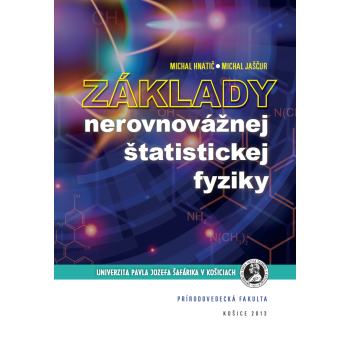
Foundations of nonequilibrium statistical physics

Foundations of nonequilibrium statistical physics

€29.22
Availability: 10 In Stock

Michal Jaščur -Michal Hnatič

In the textbook, the processes belonging to an area of  nonequilibrium physics, which make the basis for the study and analysis of compex phenomena  of statistical mechanics, are described. The Boltzmann equation for distribution function is derived and on this basis the hydrodynamic equations are constructed.  Stochastic processes are described separately and Fokker-Planck equation for density probability  is derived. Textbook is intended for the students of second year of master study at Faculty of Science of P. J. Šafarik University.   

Autors

This website uses cookies to ensure you get the best experience on our website