Slovenčina


Olga Klepáčková - Zuzana Krejčí - Martina Černá
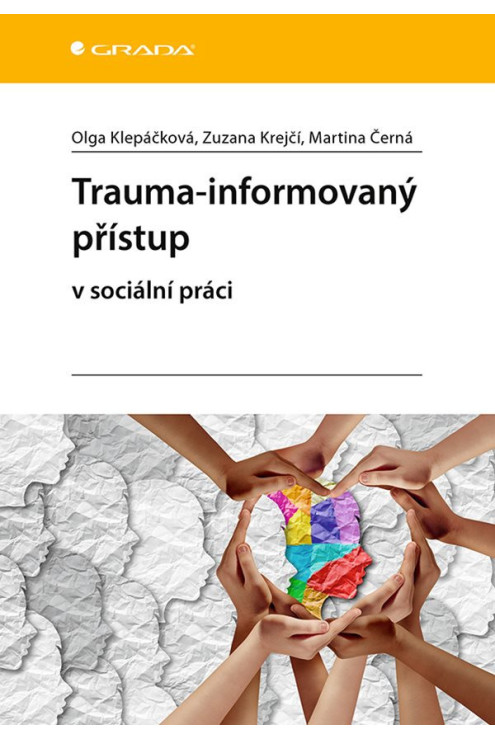
Představuje trauma ojedinělou událost, či se jedná o téměř univerzální zkušenost, která se dotýká přímo či nepřímo každého z nás? Jaké příběhy si nesou ti, kteří potřebují pomoc? Jak lépe rozumět jejich navenek problémovému nebo sebedestruktivnímu chování? Proč je pro mnohé klienty tak těžké vnímat svět jako bezpečné místo i mnoho let po traumatické události? Jak účinně pomoci klientům a přinést jim do života novou naději? Odpovědi na tyto a mnohé další otázky pomáhá najít tato kniha, která je první českou publikací věnovanou tématu trauma-informovaného přístupu v sociální práci.
Tento přístup klade důraz na silné stránky, resilienci a rozvoj zdravých dovedností klienta místo zaměření výhradně na patologii a pouhé řešení symptomů.
Kniha srozumitelnou formou přináší zejména odborným pracovníkům pomáhajících profesí a studentům sociálně zaměřených oborů nový úhel pohledu na klienty a jejich potřeby, vlastní roli v životech těchto klientů, na význam a možný přínos vzájemného vztahu a také možnosti, jak zejména klientům zasaženým traumatem lépe porozumět, jak je podpořit a účinně jim v rámci poskytované služby pomoci.
Pomáhá sociálním a dalším odborným pracovníkům najít si cestu i k těm nejzranitelnějším a nejohroženějším klientům, jejichž životy jsou v důsledku prožitého traumatu často plné chaosu, obav a strachu, otřesené ztrátou zdravých vztahů s druhými, ztrátou pocitu důvěry, bezpečí a kontroly. Pomáhá naučit se přijímat klienty s ohleduplnějším a respektujícím postojem a lépe si uvědomit, jak je může minulost ovlivňovat v současnosti a jakou formu podpory a péče skutečně potřebují.
Publikace se věnuje nejen teoretickým východiskům trauma-informovaného přístupu, ale také jeho využití v práci s vybranými cílovými skupinami a je obohacena o pohled a zkušenosti českých i zahraničních odborných pracovníků z aplikační sféry. Nepřináší však jen odborné poznatky – je také laskavým ujištěním o odvaze, nezlomnosti navzdory okolnostem a síle lidskosti.

Data sheet
Specific References
E-book
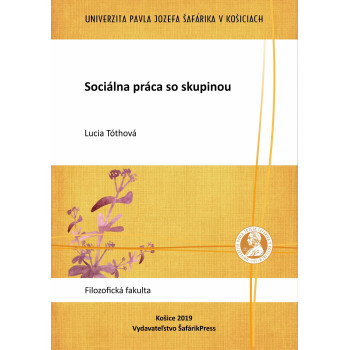
Social work with a group, along with social work with individuals, social work with the community and social work with society, is one of the basic methods used in the field of social work, but also in other helping professions. The work of a social worker requires knowledge of these methods but also of the techniques through which these methods are implemented and fulfilled. Understanding and acquiring individual methods for the needs of social practice requires the theoretical mastery of those institutes that are the basis of the method and the interrelationships between these institutes. Therefore, the author proceeded to elaborate a university textbook in which she focuses on one of the basic methods of social work, namely social work with a group.
The university textbook is designed for university students who are focused on social work studies, but also psychology, ethics and other disciplines using the method of working with a group, as it aims to present some facts about social groups and behaviour in them.
The author offers an insight into social work with the group from its historical foundations to today's latest knowledge of this method in accordance with the latest research of work with the group.
E-book
Františka Petriková - Vladimír Lichner - Eva Žiaková
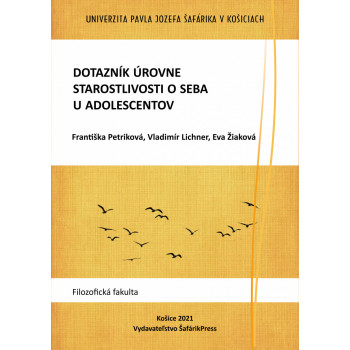
The proposed methodological guide focuses on a self-care questionnaire for the target group of adolescents. The creation of this methodology was prompted by its absence in the conditions of the Slovak Republic. The methodological guide consists of both theoretical and empirical parts.
In the theoretical part, the authors present theoretical foundations for the proposed methodology—self-care among adolescents—and also provide theoretical definitions of components of self-care in this target group. The second, empirical part of the methodological guide is dedicated to validation methods used to verify the questionnaire. It also presents results examining differences or correlations in the presented issues.
Download e-book for free (pdf)
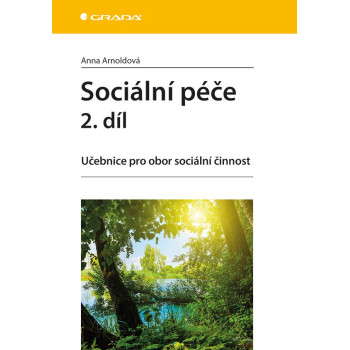
Kniha je základní odbornou učebnicí pro studijní obor zaměřený na sociální činnosti. Jejím cílem je seznámit žáky se základy sociální péče, poskytované jednotlivým skupinám obyvatel. Umožní jim získat všeobecný přehled v oblasti komplexní sociální péče, orientaci v systému sociálních služeb, možnost aplikovat vhodné přístupy, organizaci a metody při práci s klienty různých skupin obyvatel dle věku a formy postižení, sociální péči o jednotlivce, rodinu, komunitu.
E-book
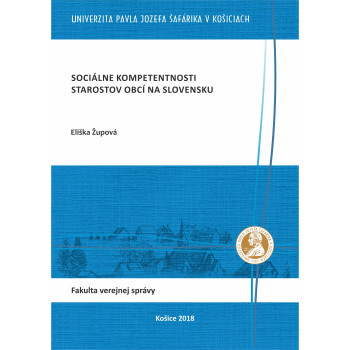
The scientific monograph examines the issue of competencies among mayors in municipalities of the Slovak Republic. At its core is interpersonal (social) competence, characterized by a set of competencies (interpersonal skills and abilities) formed by comfort in social (interpersonal) situations that mayors encounter daily in performing their duties.
Social (interpersonal) competence is an essential skill for any manager. A mayor should also act as a manager, operating within a social environment, where the level of mastering interpersonal competencies predicts successful behavior in interpersonal situations. Through their actions in these situations, they influence the internal environment of the municipality, including municipal office employees, members of the municipal council, local residents, and external environments—such as collaborations with other municipalities, higher territorial units, contractual agreements with private organizations, or representatives of the third sector.
The central focus of the scientific monograph is the exploration of interpersonal competencies. A pivotal research question addressed was: What is the level of mastery of interpersonal competencies among mayors in municipalities of the Slovak Republic?