Slovenčina


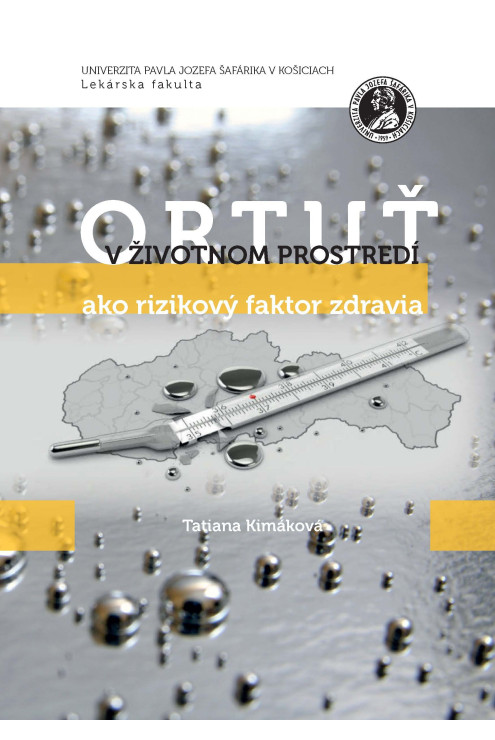
Táto vedecká monografia je komplexnou vedeckou prácou zameranou na prítomnosť a pôsobenie ortuti v životnom prostredí, ale aj na rizikové faktory zdravia, ktoré sú s ňou spojené. Monografia predstavuje charakteristiku ortuti v multidisciplinárnom zábere, prezentuje využitie v priemysle a v zdravotníctve, popisuje negatívne vplyvy ortuti v životnom prostredí, na zdravotný stav obyvateľstva. Zároveň prináša návrhy a odporúčania pre rizikové skupiny ľudí. Súčasťou monografie je komplexný výskum koncentrácie ortuti vo vzorkách komodít domácej i zahraničnej produkcie a vo vzorkách rastlín pomocou atómového absorpčného spektrometra AMA 254. Vedecká monografia je vhodná pre vedeckú komunitu, študentov medicínskych, veterinárnych, prírodovedných a poľnohospodárskych odborov ako aj pre študentov verejného zdravotníctva všetkých troch stupňov vysokoškolského štúdia. Monografia je učená aj pre všetkých záujemcov z radov informovanej verejnosti.
Autorka
E-book
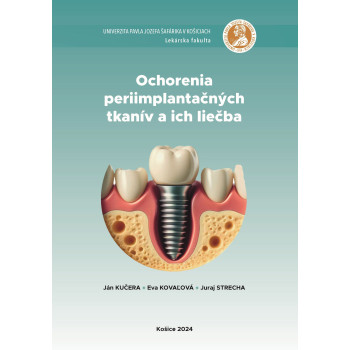
Ján Kučera - Eva Kovaľová - Juraj Strecha
Peri-implantation diseases such as peri-implantitis and mucositis have a wide range of prevalence. Several etiological factors and the interaction of risk factors influence their onset and development. Careful investigation determines the diagnosis and subsequent treatment. Treatment, depending on the condition, is either non-surgical or surgical. Systematic postoperative care, a recall system, and patient instruction and cooperation are essential, which create the preconditions for successful implant treatment.
E-book
The university textbook entitled "Vasculitis" provides a systematic overview of vasculitis encountered in clinical practice. The text is supplemented with tables reflecting the latest recommendations of professional societies and illustrations that aid in understanding the subject matter. The individual chapters analyze the etiopathogenesis of individual types of vasculitis, their epidemiology, clinical symptoms, diagnosis, differential diagnosis, treatment, prognosis and also prevention and screening options. The publication is intended for doctoral students at medical faculties, but it can also be used by doctors in specialist training in internal medicine, angiology, cardiology, rheumatology, nephrology and general medicine.
The textbook Graeco-Latin Terminology of Medicine represents a modern didactic resource intended for international students of general and dental medicine. It is based on extensive teaching experience and reflects current requirements of medical education in English. The publication offers a clear and systematic presentation of Graeco-Latin terminology, which forms the foundation of professional medical language. The work is divided into two complementary volumes – a theoretical part (Grammar Reference) and a practical part (Practice and Exercises) – which together form a comprehensive learning system. The first volume provides a systematic explanation of the fundamentals of Latin and Graeco-Latin terminology, including an introduction to its historical development. Emphasis is placed on the gradual acquisition of grammatical concepts in logical sequence and their practical application in medical terminology. The second volume builds on the theoretical knowledge and offers a wide range of exercises, review questions, and revision units that support knowledge consolidation. The textbook reflects the latest nomenclature standards (TA2, ICD-11, TA2023AG, TAH) and presents updated anatomical and clinical terminology. It also includes terminological excursuses explaining the meaning of selected technical terms and so-called double forms. The graphic design, tables, diagrams, and illustrations enhance readability and increase the didactic value of the text. The publication is suitable both as a primary study resource for teaching medical terminology and as a supplementary source for students and educators in the field of medical education.
Zuzana Gdovinová a kolektív
Neurologické vedy dosiahli za posledných dvadsať rokov významný pokrok tak v objasnení patologických procesov a mechanizmov rozvoja mnohých neurologických ochorení, ako aj v nových možnostiach liečby. Predkladaná učebnica obsahuje základné informácie o najdôležitejších neurologických ochoreniach, ich diagnostike, diferenciálnej diagnostike a liečbe v rozsahu pre študentov medicíny ako aj neurológov v špecializačnej príprave. Časť určená pre neurológov je odlíšená farebnou podtlačou. Oproti prvému vydaniu z roku 2017 sme niektoré kapitoly doplnili a prepracovali v súlade s najnovšími poznatkami, predovšetkým časť o cerebrovaskulárnych ochoreniach, autoimunitne podmienených ochoreniach, ale aj čo sa týka epilepsie, neuroinfekcií, migrény, extrapyramídových ochorení a demyelinizačných ochorení. Veríme, že táto vysokoškolská učebnica, ktorá zapĺňa vákuum v študijnej literatúre v slovenskom písomníctve z posledného obdobia, bude prínosom pre študentov, ale aj mladých lekárov a priblíži im zložitú, ale nesmierne zaujímavú a príťažlivú problematiku neurologických ochorení.