Slovenčina


E-book
Daniela Filakovská- Shoshana Chovan- Zuzana Dankulincová
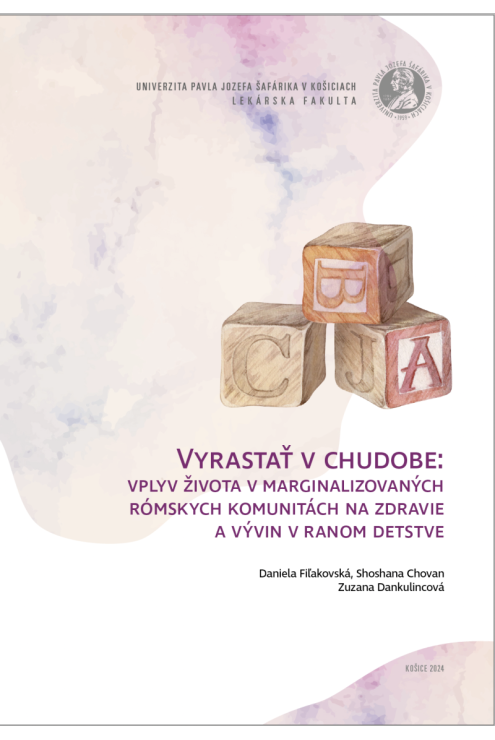
Dnes sú to už celé generácie odopierania príležitostí pre napĺňanie potenciálu a storočia diskriminácie, ktoré oberajú deti v marginalizovaných komunitách o detstvo tak ako ho poznáme my ostatní, ktorí sme mali viac „šťastia“. Tak, ako sa generácie ľudí v marginalizovaných komunitách točia v kruhu chudoby, z ktorého niet ľahkej cesty, tak sa aj my točíme v bludnom kruhu hľadania vinníkov a odovzdávania si predsudkov a stereotypov založených na mylných predpokladoch, ktoré sú tak zakorenené a samozrejmé, že mnohých ľudí ani nenapadne o nich pochybovať, spochybňovať ich logiku, či sa snažiť ich vyvracať. Spoločnosť na základe vlastných ideálov s ľahkosťou súdi matky či otcov, že nie sú dosť dobrí. Omnoho ťažšia cesta je však snažiť sa pochopiť, čo im v tom bráni. Povedať, že za stratené detstvo detí v marginalizovaných komunitách môžu rodičia, je príliš zjednodušené a nezohľadňuje to omnoho širší kontext a súvislosti. A práve vplyv tohoto kontextu na raný vývin a hľadanie súvislostí je naším cieľom. Nielen preto, že si uvedomujeme potrebu búrať stereotypy a meniť spoločenský diskurz, no najmä preto, aby sme vedeli priniesť dôkazy, na základe ktorých bude možné tvoriť politiky, smerovať intervencie a pomôcť tak ďalším generáciám detí dosiahnuť na príležitosti, ktoré im umožnia naplniť svoj plný potenciál.
Download e-book for free (pdf)

Data sheet
E-book
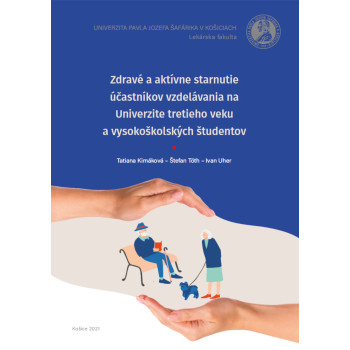
Tatiana Kimáková - Štefan Tóth - Ivan Uher
The scientific monograph is devoted to active and healthy aging, its basic indicators, involutional changes, or the relationship between healthy aging and lifestyle. Adopting a healthy lifestyle and actively participating in health care for yourself are important elements in all stages of our lives, and therefore in healthy aging. We describe the possibilities of older people to slow down the adverse changes associated with aging through education and educational activities of various types.
The scientific monograph also includes our own research focused on overall health and selected lifestyle risk factors, especially consumption of various food groups, smoking, alcohol, physical activity and stress of participants at the University of the Third Age at Pavol Jozef Šafárik University in Košice, Slovak and foreign university students at the Medical Faculty of the Pavol Jozef Šafárik University in Košice. The scientific monograph is appropriate for the scientific community, students of medical and natural sciences, public health for all three degrees of university study.
E-book
Laparoscopic surgical techniques are among the most frequently performed operations today. Throughout their short history, they have undergone many modifications, mainly related to miniaturization and the development of computer technology. The rapid development of laparoscopy over the last twenty years has led to changes in the indications, with minimally invasive procedures gradually replacing standard classical procedures.
Laparoscopic surgery offers significant benefits to the patient, but it also increases the demands on the surgical team.
Download e-book for free (pdf)
Alžbeta Blichárová - Ľudmila Verbóová - Zuzana Benetinová - Vladimír Tancoš - Patrícia Kollárová - Adam Nedoroščík - Erika Štammová - Pavel Kočan
„Patológia 2. časť (letný semester) - Praktické cvičenia pre študentov zubného lekárstva“ je druhou časťou vysokoškolskej učebnice predstavujúcou druhú polovicu výučby (letný semester). V tejto časti je popísaných 44 diagnóz, kde každej je venovaná jedna strana. V popise je uvedené poradové číslo zhodujúce sa s číslom preparátu a názov danej diagnózy. Študent sa pri každom preparáte oboznámi so základnými informáciami o danej chorobe, jej makroskopickým a mikroskopickým obrazom. Navyše je vytvorené miesto, v ktorom si študent môže zaznačiť (nakresliť) charakteristický obraz danej choroby. Preparáty v tejto učebnici sú zamerané na špeciálnu patológiu – patológiu srdca a ciev, pľúc, gastrointestinálneho, urogenitálneho systému, prsníka, pohybového a nervového systému, kože a novorodeneckého veku. 20 diagnóz je venovaných iba patológii orofaciálnej oblasti.
Tým, že učebnica umožňuje preparáty zakresľovať, vytvára študentom priestor pre trvalejšie zapamätanie si danej problematiky. Je vynikajúcim zdrojom pre prípravu študentov na kolokvium a ústnu skúšku.
E-book
Ján Mojžiš - Ladislav Mirossay -Andrej Miroššay (eds.)
This long-standing scientific conference continues its tradition of fostering collaboration, sharing knowledge, and supporting progress in the fields of pharmacology, pharmacy, toxicology, and biomedical sciences. The 2025 meeting brings together distinguished researchers, clinicians, educators, and students from the Czech Republic, Slovakia, and beyond, united by a common goal—to advance our understanding of pharmacological science and improve human health.