Slovenčina


Ingrid Hodorová - Květuše Lovásová
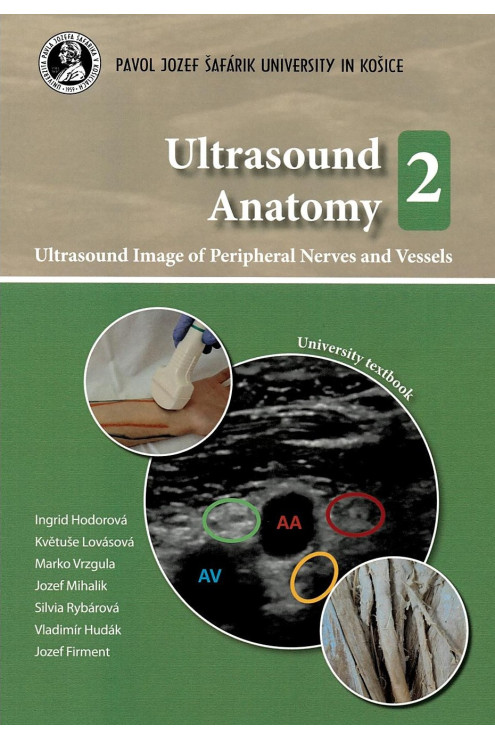
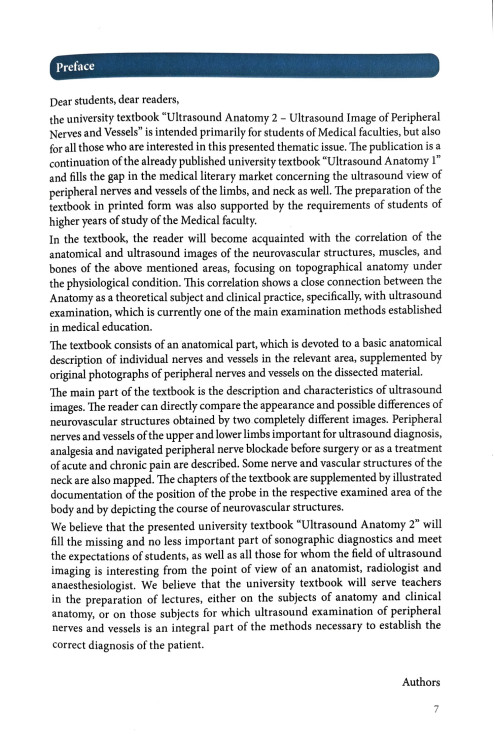
The publication is a continuation of the already published university textbook"Ultrasound Anatomy 1" and fills the gap in the medical literary market concerning the ultrasound view of peripheral nerves and vessels of the limbs, and neck as well.

Data sheet
Specific References
E-book
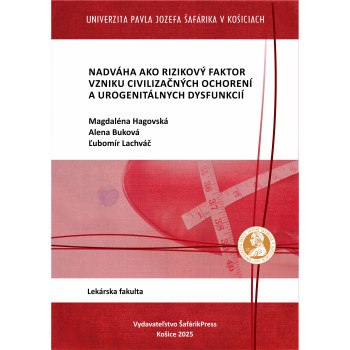
Magdaléna Hagovská - Alena Buková - Ľubomír Lachváč
Overweight as a risk factor for the development of civilization diseases and urogenital dysfunctions
Overweight and obesity represent a significant risk factor for the development of several diseases of civilisation, such as cardiovascular disease, type 2 diabetes mellitus and various forms of cancer. They also contribute significantly to urogenital dysfunctions such as urinary incontinence, overactive bladder and pelvic organ prolapse. Mechanisms that link excess weight to these dysfunctions include increased intra-abdominal pressure, hormonal changes, and chronic inflammatory processes that negatively affect the structure and function of the urogenital system. Prevention and treatment of overweight and obesity are therefore crucial not only in terms of reducing the risk of civilization diseases, but also in improving the quality of life through the prevention and treatment of urogenital dysfunctions.
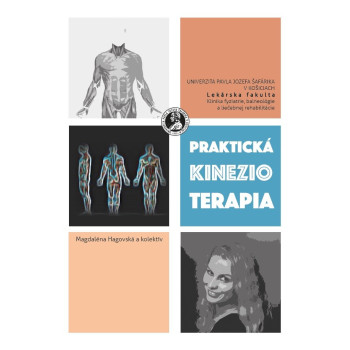
Magdaléna Hagovská a kol.
Vysokoškolská učebnica Praktická kinezioterapia je určená fyzioterapeutom v rámci pregraduálneho, ale aj postgraduálneho vzdelávania. Je komplexne prepracovanou, opravenou a rozšírenou publikáciou pôvodného textu skrípt Najčastejšie používané liečebné metodiky pre fyzioterapeutov (Hagovská, Mihalečková, 2012).
Fyzioterapia sa dotýka takmer všetkých základných klinických odborov. Z toho vyplýva, že fyzioterapeuti by mali ovládať základné poznatky o špeciálnych metódach, ktoré sa zaoberajú fyzioterapiou vertebrologických a neurologických pacientov, pacientov s ortopedickým ochorením, s gynekologickými a urologickými problémami, a pacientov s psychosomatickou diagnózou. Väčšina popísaných najznámejších 44 liečebných metód obsahuje obrázkovú prílohu, na základe ktorej študenti dokážu lepšie pochopiť uvádzané techniky a predísť chybnému vykonávaniu jednotlivých techník.
Autori
E-publication
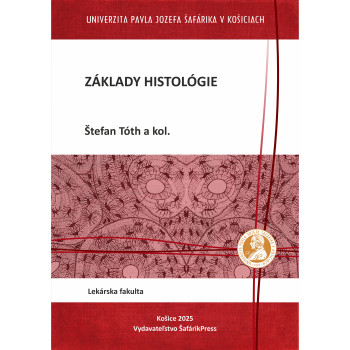
Štefan Tóth a kol.
After several years of teaching experience in the compulsory subject of histology and histological techniques, it became clear that there was a need to refine, standardize, and facilitate the study of bachelor's degree students. We therefore decided to develop university textbooks for the theory of general histology in bachelor's degree programs: Laboratory Examination Methods in Healthcare, Physiotherapy, and Nursing. The new textbooks are based on the syllabi for the subjects "Histology and Pathology" and "Fundamentals of Histology" for the given study programs. The content is designed to make the study of histology as easy as possible and to help students quickly orient themselves in the given topic. At the same time, the texts aim to streamline cooperation between students and teachers in lectures and practical exercises, emphasizing the important structures of individual cell and tissue types in light microscope images, which is the primary goal and task of general histology.
Download the e-book for free
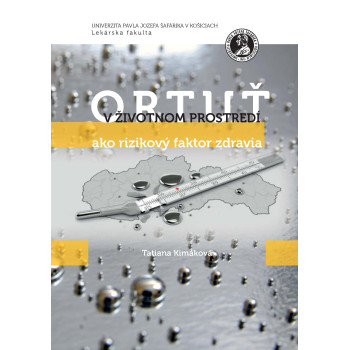
Táto vedecká monografia je komplexnou vedeckou prácou zameranou na prítomnosť a pôsobenie ortuti v životnom prostredí, ale aj na rizikové faktory zdravia, ktoré sú s ňou spojené. Monografia predstavuje charakteristiku ortuti v multidisciplinárnom zábere, prezentuje využitie v priemysle a v zdravotníctve, popisuje negatívne vplyvy ortuti v životnom prostredí, na zdravotný stav obyvateľstva. Zároveň prináša návrhy a odporúčania pre rizikové skupiny ľudí. Súčasťou monografie je komplexný výskum koncentrácie ortuti vo vzorkách komodít domácej i zahraničnej produkcie a vo vzorkách rastlín pomocou atómového absorpčného spektrometra AMA 254. Vedecká monografia je vhodná pre vedeckú komunitu, študentov medicínskych, veterinárnych, prírodovedných a poľnohospodárskych odborov ako aj pre študentov verejného zdravotníctva všetkých troch stupňov vysokoškolského štúdia. Monografia je učená aj pre všetkých záujemcov z radov informovanej verejnosti.
Autorka