Filter By

Categories

Categories

Year of publication:

Year of publication:

Publication language:

Publication language:

Faculty:

Faculty:

Method of publication:

Method of publication:

Active filters

  • Categories: Social sciences
  • Year of publication:: 2010
  • Year of publication:: 2010
  • Year of publication:: 2013
  • Year of publication:: 2013
  • Year of publication:: 2013
  • Year of publication:: 2013
  • Year of publication:: 2017
  • Year of publication:: 2017
  • Year of publication:: 2017
  • Year of publication:: 2017
  • Year of publication:: 2017
  • Year of publication:: 2017
Stretnutie mladých historikov II. Priesečníky spoločnej histórie krajín V4

Stretnutie mladých historikov II. Priesečníky...

E-book

E-book

Bernadeta Fabová - MikulአJančura (eds.)

Collection of Studies from the 2nd Scientific Conference of Young Historians (Doctoral Students and Researchers), organized by the Department of History of the Faculty of Arts at Pavol Jozef Šafárik University in Košice, in cooperation with the Faculty of Arts at Masaryk University in Brno, the Faculty of Arts and Sciences at Silesian University in Opava, and the Faculty of Arts at the University of Miskolc, held on October 29-30, 2012 in Košice.

The collection is the output of the second annual scientific conference of young historians (doctoral students and researchers), organized at Pavol Jozef Šafárik University in Košice. The central theme of the event was the focus on intersections of shared history. The ten studies map various intersections of the history of the V4 countries, as well as the broader Central European region, in the time span from the 13th to the 20th century. The individual studies cover a wide range of areas from the medieval road network, military and urban history, through economy, education, issues of national identity, the relationship between the state and the church, to demographic questions.

Download the e-book for free (pdf)

Prístup zameraný na človeka

Prístup zameraný na človeka

E-book

E-book

Beata Gajdošová

It is impossible to be in contact with a person-centered approach and not be influenced by it. Carl Random Rogers was and is still perceived as one of the most influential psychologists of the 20th century (Cook, et al., 2009).

He was the first psychologist to be awarded twice by the American Psychological Association during his lifetime; in 1957 for his contributions to psychotherapy research and in 1973 for distinguished professional contributions. He developed his own psychotherapeutic approach, client-centered therapy, where unlike existing psychotherapeutic approaches, the healing power lies in the relationship between the client and the therapist, not in the applied method.

Rogers and his colleagues were the first to record, transcribe, and publish complete cases of therapeutic conversations and initiated systematic research in the field of psychotherapy. By using the term client instead of patient and seeking sources of change within the person, he created a non-medical model of help as part of the helping professions (Capuzzi, Gross, 2001). The self-theory created by Rogers is a theory that is included in many contemporary psychology texts (Cloninger, 2003; Feist, Feist, 2001; Ryckman, 2004).

Download the e-book for free (pdf)

Gadamer a grécka filozofia

Gadamer a grécka filozofia

E-book

E-book

Kristína Bosáková

Attempting to confront Gadamer's teachings not only with the giants of Greek philosophy but also with Hegel and Heidegger is no easy task. However, Gadamer's entire historical-philosophical work is most prominently associated with these ancient thinkers and the two geniuses of German philosophical thought. Therefore, there is no avoiding it. Without this confrontation, all my efforts would be, in a certain sense, futile. Whether and how I succeed is another question. Every reader will surely form their own judgment.

Download the e-book for free (pdf)

Možné svety z pohľadu logickej sémantiky a analytickej filozofie

Možné svety z pohľadu logickej sémantiky a...

E-book

E-book

Eugen Andreanský

The presented monograph aims to critically map the understanding of the concept of possible worlds.

The first chapter describes the formation of the semantics of possible worlds, along with indicating some problems it brings, which were incisively revealed primarily by W. V. O. Quine. In the next two chapters, the work focuses on more modern views on the nature of possible worlds, with the main attention given to the dichotomy between the possibilist and actualist approach to the question of modalities, alongside which it is necessary to assess other distinctions (essentialism - anti-essentialism, realism - reductionism (or ersatzism or fictionalism), naturalism - non-naturalism, etc.). Increased attention in the work is specifically devoted to the possibilism of D. Lewis and the actualist concepts of S. Kripke, A. Plantinga, R. M. Adams, N. Rescher, D. Armstrong, and J. Hintikka.

An unconventional approach to the issue of possible worlds is captured in the fourth chapter. It is primarily dedicated to the significant concept of Jaakko Hintikka, which works with the notion of epistemic possible worlds and documents the inclination towards the modification and relativization of modal discourse. The conclusion provides an evaluation of the discussion that touches on the main problems associated with considerations of possible worlds.

In the presented monograph, some representative concepts of possible worlds, or possible individuals, are clarified, and the overall process is indicated from assessing possible worlds as ideal logical constructs through their relativization by separate domains of individuals for individual worlds and further through the relationship of attainability to financial, impossible, and non-standard possible worlds.

Download the e-book for free (pdf)

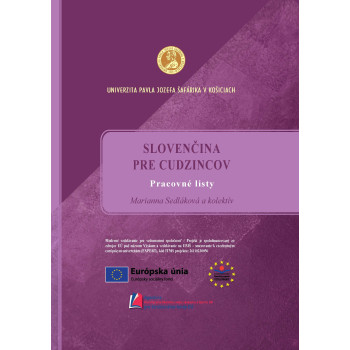
Slovenčina pre cudzincov (Pracovné listy)

Slovenčina pre cudzincov (Pracovné listy)

E-book

E-book

Marianna Sedláková a kol. 

The worksheets, based on the direct specific needs of teaching medical students in Košice, respect the real situation of teaching Slovak as a foreign language at UPJŠ.

They also reflect the relatively high number of Slavic students, especially from neighboring countries, who, although just beginning with the Slovak language, are at a higher communicative level compared to students from non-Slavic countries. Therefore, a special part of the worksheets with exercises is dedicated to them, which includes special exercises and dictionaries aimed at eliminating Slovak-Polish or Slovak-Ukrainian interference phenomena. Since some non-Slavic students come from the Czech language environment, we also add a glossary of the most common different expressions in Slovak, Czech, and, for the aforementioned reasons, Polish and Ukrainian. In the part intended for all students, both Slavic and non-Slavic, communicatively focused exercises for practicing grammatical phenomena predominantly at the A1 and A2 communication skill levels (according to the Common European Framework of Reference) prevail, and last but not least, exercises thematically focused on medicine and healthcare.

The texts from the thematic area are, of course, supplemented with realia of the city of Košice. As a functional supplement in the working material, we also publish test samples.

Download the e-book for free (pdf)

Začínajúci učiteľ a školská legislatíva I.

Začínajúci učiteľ a školská legislatíva I.

E-book

E-book

Zuzana Boberová

The aim of this university textbook is primarily to provide a comprehensive and systematic overview of the basic legislative documents related to pedagogical activities and the educational work of teachers in school practice. The textbook is primarily intended for students of academic teacher training programs, as well as recent graduates of teacher education who are beginning their teaching careers.

This publication is unique in that it does not focus on specific legislative documents and their descriptions, but rather presents the meaning and wording of various legislative documents in the context of key concepts of educational activities and typical school situations. The publication does not include the full text of cited paragraphs from laws, decrees, and ministerial guidelines, but only excerpts that are relevant to the focus and needs of the textbook.

In this way, we aim to help teacher training students and beginning teachers orient themselves regarding their rights and responsibilities as defined and delineated by school legislation, and especially to help them understand the basic legislative requirements placed on every teacher in school practice. This includes participation in the preparation of the school educational program, understanding the professional development of teachers, student assessment, approaches to students with special needs, as well as handling common school situations such as disciplinary measures, school accidents, ski training, or school events.

Given the scope of these areas, we have divided the topics into two publications according to their thematic focus.

Download the e-book for free (pdf)

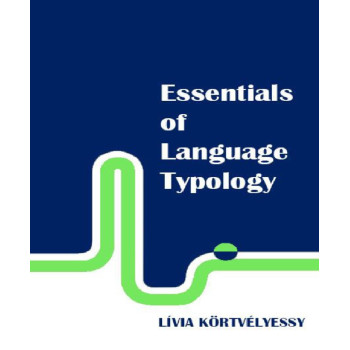
Essentials of Language Typology

Essentials of Language Typology

E-book

E-book

Lívia Körtvélyessy

This university textbook explains to students enrolled in the course Linguistic Typology and Universals the basic terminology, theoretical approaches, and research methods. The textbook is divided into eleven chapters. Each chapter presents theoretical knowledge in an accessible manner, along with practical exercises aimed at developing students’ skills in the respective area.

The textbook covers the following topics: the subject and nature of linguistic typology, a brief history of this linguistic discipline, genealogical classification of languages, various approaches and main objectives of typology across different linguistic levels (phonology, morphology, syntax, and lexicon), as well as areal typology, complex issues of language universals, and the nature and essence of typologists’ work. Given the extensive research activities of linguists from the Department of British and American Studies at Pavol Jozef Šafárik University in Košice, the textbook also introduces students to the results achieved by these scholars in this rapidly developing field of linguistics.

Download the e-book for free (pdf)

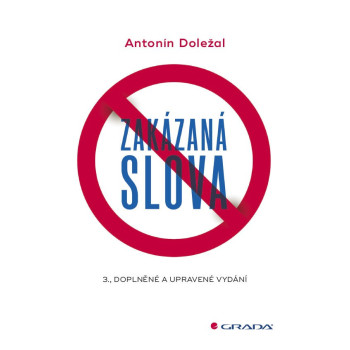
Zakázaná slova

Zakázaná slova

€4.96
Availability: 1 In Stock

Antonín Doležal

Vpravdě „renesanční“ autor se ve své knížce zabývá domněle i skutečně nemravnými či obscénními výrazy. Česká slůvka jsou porovnávána s řečtinou, latinou a mnoha dalšími světovými jazyky. Kromě originálních postřehů a gagů obsahuje kniha celou řadu pasáží etnografických, filozofických a výchovných. Text, který čtenáře potěší, je doplněn zajímavými obrázky, mnoho z nich je nově zařazeno.

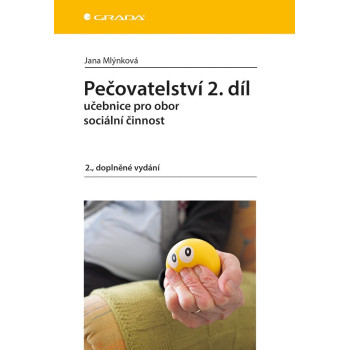
Pečovatelství 2.díl učebnice pro obor sociální činnost

Pečovatelství 2.díl učebnice pro obor sociální...

€17.92
Availability: 1 In Stock

Jana Mlýnková

Moderní, přehledná učebnice pečovatelství pro žáky středních sociálních škol oboru sociální činnost, zpracovaná podle témat probíraných v předmětu pečovatelství. Péče o klienty v různých zařízeních i  domácím prostředí vyžaduje přípravu žáků na komunikaci s klientem a péči o něj, na zvládání psychologického přístupu, edukace klienta i jeho rodiny. 

Publikace je věnována problematice péče o klienty různého věku a postižení a je doplněna četnými fotografiemi. 

Gadamer a grécka filozofia

Gadamer a grécka filozofia

€6.80
Availability: 2 In Stock

Kristína Bosáková

Pokus o konfrontáciu Gadamerovho učenia nielen s velikánmi gréckej filozofie, ale aj s Hegelom a Heideggerom nie je jednoduchá úloha. Celá Gadamerova historicko-filozofická tvorba je však najvýraznejšie spojená s týmito antickými mysliteľmi a s dvoma géniami nemeckého filozofického myslenia. Preto niet vyhnutia. Bez tejto konfrontácie by bolo celé moje úsilie v istom zmysle zbytočné. To, či a ako sa mi to podarí, je už iná otázka. Každý čitateľ si určite vytvorí svoj vlastný úsudok.

V priestoroch jazyka a literatúry

V priestoroch jazyka a literatúry

€9.50
Availability: 10 In Stock

Ivica Hajdučeková (ed.)

Recenzovaný zborník z interného seminára KSSFaK FF UPJŠ konaného pri príležitosti životného jubilea prof. PhDr. Jána Sabola, DrSc., 26. marca 2009 je prvým spoločným počinom jazykovednej, literárnovednej a mediálnej orientácie novovzniknutej katedry. Po slávnostnom príhovore dekana FF UPJŠ prof. PhDr. J. Gbúra, CSc., je uvedená prednáška jubilujúceho prof. PhDr. Jána Sabola, DrSc. Vzťah segmentov a suprasegmentov v zvukovej rovine. Ďalej sú do dvoch častí JazykLiteratúra rozdelené príspevky jednotlivých členov katedry, ale aj prvých doktorandov. Tematický záber roztvára najprv problematiku jednotlivých rovín jazyka (zvukovú stránku jazyka, experimentálnu fonetiku, dialektológiu, morfológiu aj lexikológiu), potom literárnovedných disciplín (verzológie, genológie, metodológie, textovej semiotiky) aj mediológie.

Patočkova filozofia dejín

Patočkova filozofia dejín

€7.00
Availability: 5 In Stock

Róbert Stojka

Cieľom predkladanej monografie je predovšetkým čo najkomplexnejšie predstaviť Patočkov koncept filozofie dejín, aj keď si uvedomujem, že to vôbec nie je ľahká úlo-ha, nielen preto, ako už bolo spomenuté, že v súčasnosti neexistuje rozsiahlejšia a vyčerpávajúca práca k tejto téme. Existuje síce pomerne veľké množstvo štúdií , venovaných Patočkovmu konceptu filozofie dejín, žiadna z nich však neskúma tento koncept komplexným pohľadom, ako určitý celok – zväčša sú zamerané na niektoré parciálne problémy (a nie je ich málo), vyplývajúce z tohto konceptu. Aj tento fakt, mimochodom, je pre mňa samého dôkazom toho, že ide jednoznačne o veľmi náročnú tému.

Dve úrovne vedomia: bazálne a rozvinuté vedomie

Dve úrovne vedomia: bazálne a rozvinuté vedomie

€19.10
Availability: 2 In Stock

Jozef Kafka

Význam vedomia pre každého človeka ale aj pre pozná­vanie je taký rozhodujúci, že by bolo nesprávne hovoriť o ňom iba pri psychických procesoch, lebo je jadrom ľudskej individuality a práve vedomím sa človek odlišuje od ostat­ných živých tvorov.

Je potešujúce, že nová oblasť poznávania označovaná ako veda o mysli začína sa vedomím zaoberať podrobnejšie a vylučuje tvrdenia, že vedomie nejestvuje hoci zatiaľ hovorí podľa mojej mienky iba o bazálnom vedomí a jej inter­pretácie prekračujú zistené fakty.

V svojej odbornej činnosti a aj v učebniciach som rozlišoval dve cesty poznávania vedomia a  iba postupne som si uvedomil, že mám pred sebou dva úrovne vedomia. V tejto práci  rozlišujem tieto dve úrovne:

  • bazálne vedomie,
  • rozvinuté vedomie.

Ak bazálne vedomie vyjadruje bdenie a spánok, tiež po­zornosť a gnostické rozpoznávanie, teda  idiognózia a somatognózia, rozvinuté vedomie predpokladá reč a vytvára také prejavy, ktoré označujeme ako duševné, teda identita, sebareali­záciu, čo vyjadruje schopnosť uvedomovania si seba, okolia, spoločnosti ale aj všetkého čo sme schopní poznať.

Také chápanie je blízke výkladu fyziológa Pavlova o dvoch signálnych sústavách a chápaniu Poppera o treťom sve­te ale aj ďalšie náhľady, nikto však neurobil určitejšie závery a nedošiel k náhľadu, že naše vedomie má dvojvrstevnú podobu, dve úrovne.

Napriek rozsiahlej a takmer neprehľadnej literatúre vieme o vedomí málo, okrem toho, že je to schopnosť uvedomo­vania, teda schopnosť uvedomiť si, že jestvujem, že som, že jest­vujú aj iní ľudia, že jestvuje niečo čo označujeme ako svet ako nepredstaviteľný vesmír. Uvedomujem si, že som individua­litou jedinečnou, ale limitovanou narodením a smrťou a že mám aj zmysel svojho bytia. Toto uvedomovanie, akokoľvek spo­chybňované je pre človeka prítomné v jeho poznávaní, hoci nemáme zmysly, ktorými by sme vedeli lokalizovať jeho prí­tomnosť v mozgu, ale svojou charakteristikou s dynamikou a integráciou má však duševný charakter, odlišný od    ostatných preja­vov mozgovej činnosti.

Práca sa pokúša v deviatich kapitolách osvetliť, čo sa chápe pojmom bazálne a rozvinuté vedomie    a možno ju rozdeliť do troch okruhov:

V prvých šiestich kapitolách diela hovorí o vedomí ako o doméne bytia človeka, podáva sa preto výklad vedomia a jeho rozlíšenie, potom sa hovorí o kolobehu života a rozvoji ve­domia, kladie sa otázka vedomia u stavovcov, potom náhľady filozofické a metodológia skúmania vedomia. Nasledujú ďalšie kapitoly, ktoré analyzujú podrobnejšie dve formy, úrovne vedomia, sú to kapitoly 7-9, začínajú ana­lýzou individuality človeka, lebo to je báza vedomia aj je­ho foriem, ďalej kapitoly o bazálnom vedomí a rozvinu­tom vedomí, čo považujem za jadro predkladanej práce. Napokon sa opisujú niektoré poruchy vedomia, ktoré dokladajú realitu vedomia v podobe  jej porúch ale aj možnosti rozlí­šenia dvoch úrovní, ktoré sa dajú zistiť pri starostlivom štúdiu a pri práci s chorými.

This website uses cookies to ensure you get the best experience on our website