Slovenčina


E-book
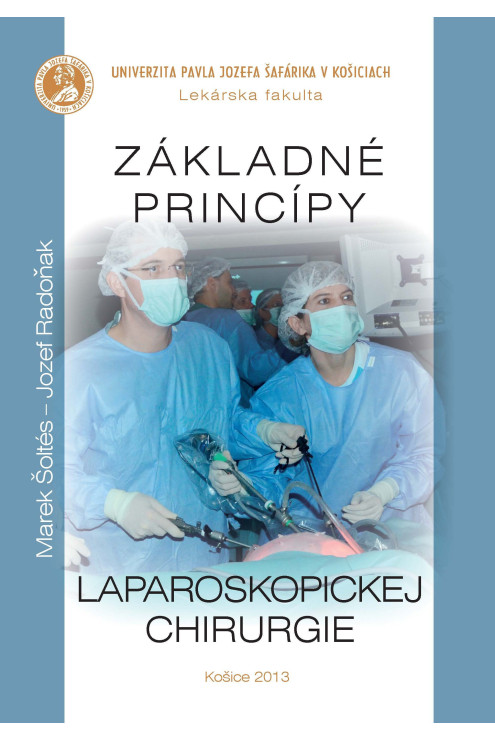
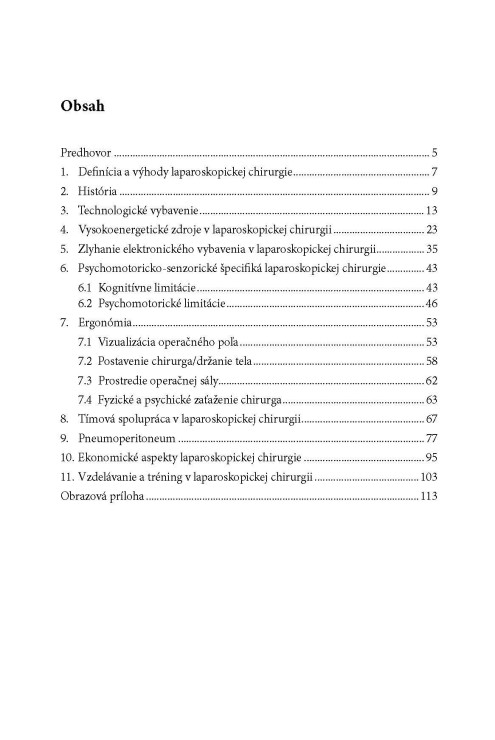
Laparoscopic surgery today represents the standard and, in many respects, a preferred modality of surgical treatment. The dynamics of its global expansion, enabled by advancements in biomedical technologies and the development of global information and communication channels, is unprecedented in the history of surgery. Currently, there is virtually no abdominal operation that is not performed laparoscopically, with laparoscopic procedures often being the method of choice.
Despite—or perhaps because of—the unprecedentedly rapid penetration of laparoscopic surgeries into everyday surgical practice, universally accepted technical standards are still lacking in many respects. The high variability of procedural approaches within individual laparoscopic operations stems more from the traditions of specific workplaces than from evidence-based medicine. This situation is further influenced by the development of new and revived concepts such as mini-laparoscopy, SILS (Single Incision Laparoscopic Surgery), NOTES (Natural Orifice Transluminal Endoscopic Surgery), and their hybrid combinations with classical laparoscopy.
The aim of this monograph is to draw the attention of the professional community back to the fundamental principles of laparoscopic surgery, which should serve as a foundation for the effective and safe performance of laparoscopic operations, as well as a basis for a critical stance towards fashionable innovative trends.

Data sheet
E-book
Sylvia Dražilová - Laura Gombošová - Martin Janičko - Ľubomír Skladaný - Eduard Veseliny
University textbooks are focused on undergraduate medical students and young doctors engaged in specialized training in gastroenterology, hepatology, and internal medicine.
The authors aimed to somewhat replace the lack of a concise and straightforward textbook on gastroenterology and hepatology for medical students, while also providing specific, directly applicable information for young doctors in inpatient departments caring for these patients.
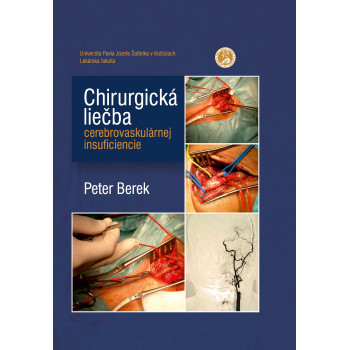
S vývojom endovaskulárnej chirurgie dochádza postupne k rozvoju stentingu ACI. Minimálne invazívny prístup spravil túto metodiku vhodnú pre pacientov s vážnymi konkomitatnými kardiálnymi alebo pľúcnymi ochoreniami. Ďalšou výhodou v porovnaní s chirurgickou liečbou bol lepší prístup k ACI u pacientov po rádioterapii, po predchádzajúcich operáciách na krku, ale aj u pacientov so stenózami blízko lebečnej bázy. Porovnanie CEA vs CAS je zaujímavou a diskutabilnou témou mnohých štúdií. Avšak, aj napriek celosvetovému mohutnému rozvoju endovaskulárnej liečby karotická endarterektómia ostáva zlatým štandardom liečby stenózy ACI u symptomatických aj asymptomatických pacientov.
V tejto monografii by sme radi akcentovali a systematizovali problematiku chirurgickej prevencie CMP z pohľadu cievneho chirurga.
E-book
Ladislav Kočan-Dušan Rybár-Róbert Rapčan
The autonomic nervous system is a vital component of the peripheral nervous system, responsible for maintaining homeostasis and regulating internal processes within the body. Unlike the voluntary control exerted by the central nervous system, the autonomic nervous system operates involuntarily, innervating smooth organs, vessels, skin glands, and even exerting some influence over skeletal muscles in connection with vegetative functions such as breathing, digestion, and the urinary and gonadal systems. Its impact extends crucially to the cardiac muscles of the heart and plays a significant role in endocrine and metabolic functions, thermoregulation, as well as emotional and behavioral responses, including adaptive reactions to stressors. The aim of this publication is to provide a comprehensive and objective exploration of the anatomical and physiological intricacies of the autonomic nervous system, offering insights into its clinical applications. Within these pages, we meticulously delineate various interventional therapeutic procedures tailored to specific diagnoses related to the autonomic nervous system, aligning each intervention with the anatomical framework of the autonomic system. The efficacy of these procedures is evaluated based on the level of evidence, as per the current recommendations of Evidence-Based Medicine. This publication is primarily crafted for fifth and sixth-year medical students and medical professionals specializing in anesthesiology, intensive care, and pain medicine. It serves as a valuable resource for gaining a deeper understanding of autonomic nervous system function and its clinical implications, facilitating informed decision-making in clinical practice.
Download e-book for free (pdf)
Marek Stupák et al.
Medical Chemistry presents an overview of the most important topics of general, organic and bioinorganic chemistry for students of General and Dental Medicine study programs. Its aim is to provide a theoretical basis for the study of the subject Medical Chemistry and for understanding processes and chemical reactions which are taking place in the human body.
Each topic directly links chemical principles to the processes in living organisms and thus can help the students to clearly see the application of the presented information. Therefore, it also provides a good starting point for further study of Medical Biochemistry, for which the knowledge of these principles is necessary.
Download e-book for free (pdf)