Active filters

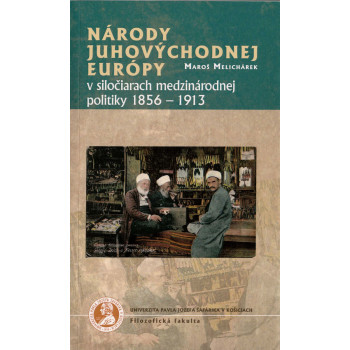
Národy juhovýchodnej Európy v siločiarach medzinárodnej politiky 1856-1913

Národy juhovýchodnej Európy v siločiarach...

€11.00
Availability: 4 In Stock

Maroš Melichárek

Prvá kapitola monografie nesie názov Veľká východná kríza v rokoch 1875-1878 – súperenie veľmocí na Balkáne. Veľká východná kríza, ktorá vyvrcholia rusko-osmanským konfliktom a následným Berlínskym kongresom dala do pohybu mnoho procesov. Dôležitosť Berlínskeho kongresu a jeho fungovanie je v práci vykreslené z pohľadu jedného zúčastneného balkánskeho štátu a to Srbska. Kapitoly 2 až 5 zhŕňajú medzinárodný kontext a vnútorné predpoklady vytvorenia moderného bulharského a čiernohorského štátu, rovnako i detailný popis emancipácie Macedóncov a Albáncov (Albánske národné hnutie a vytvorenie nezávislého Albánska v roku 1912, Macedónska otázka na konci novoveku a možnosti jej riešenia zo strany veľmocí). Kapitola Konflikt Osmanskej ríše a Talianska o Lýbiu v rokoch  1911-1912 je popisuje vojenský stret medzi veľmocami s globálnymi následkami, ktoré de facto znamenali i pád Osmanskej ríše na európskom kontinente.Kapitola Definitívny pád Osmanskej ríše na európskom kontinente: prvá a druhá balkánska vojna predstavuje chronologický záver monografie a prináša pohľad na najdôležitejšie udalosti balkánskych vojen, armády i fenomény, ktoré doteraz boli v rámci tejto otázky vnímané iba okrajovo (etnické čistky, mobilizácia, propaganda a i.).  Záver práce a kapitola Zahraničná politika Srbska a problematika Bosny a Hercegoviny pred vypuknutím 1. svetovej vojny sa zameriava na hodnotenie srbských ašpirácií (či už ideologických alebo reálnych) smerom k priestoru Bosny a Hercegoviny.
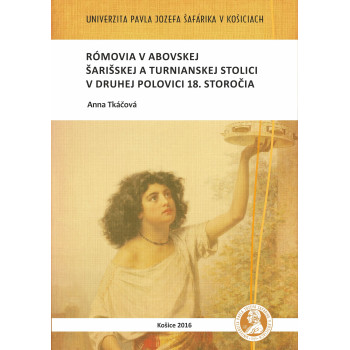
Rómovia v Abovskej, Šarišskej a Turnianskej stolici v druhej polovici 18. storočia

Rómovia v Abovskej, Šarišskej a Turnianskej...

E-book

E-book

Anna Tkáčová

The main topic of this publication is the Roma, their status, and life in Hungary, specifically in the Abov, Šariš, and Turnia counties in the second half of the 18th century, particularly according to the censuses conducted during the reign of Maria Theresa and Joseph II.

The work is divided into six chapters and fourteen subchapters. It contains three images, twenty-eight tables, and twenty-nine graphs. The introductory chapter deals with the state of research on the subject (i.e., the Roma in the second half of the 18th century) from 18th-century authors to contemporary authors who have dealt with or are still dealing with it.

In the first chapter, the author briefly mentions the Indian origin of the Roma, the social affiliation of the Roma ancestors, their departure from India, their migration until their arrival in Hungary, as well as the names given to the Roma by the surrounding world. It also mentions the first reports on the Roma in Hungary and in the territory of today's eastern Slovakia, as well as their status in Hungary until the first half of the 18th century. 

In the second chapter, the author touches on the life of the Roma in the Abov, Šariš, and Turnia counties in the light of archival materials from the second half of the 18th century and presents the administrative division of these counties during this period.

The third chapter discusses the royal decrees of the Enlightenment rulers Maria Theresa and Joseph II concerning the Roma and briefly describes the political situation and the resolution of socio-economic issues in Hungary in the second half of the 18th century.

The fourth chapter is devoted in detail to the censuses of the Roma in the Abov, Šariš, and Turnia counties during the reign of Maria Theresa and Joseph II, their objectives, characteristics, contributions, as well as their shortcomings, and presents the methodology of numerical and graphical processing of these censuses.

The fifth chapter contains a comprehensive graphical comparison and evaluation of the Roma censuses from all three counties. The overall findings about the life of the Roma in the Abov, Šariš, and Turnia counties are presented in the sixth, concluding chapter.

The main finding of this research is that the regulation of the Roma was carried out with only minimally successful (from the rulers' perspective) results, as the affected Roma families continued to roam both during and after the regulation. They practiced so-called "hidden roaming."

Download the e-book for free (pdf)

This website uses cookies to ensure you get the best experience on our website