Active filters

  • Categories: Medicine
  • Year of publication:: 2018
  • Year of publication:: 2019
  • Faculty:: Prírodovedecká fakulta
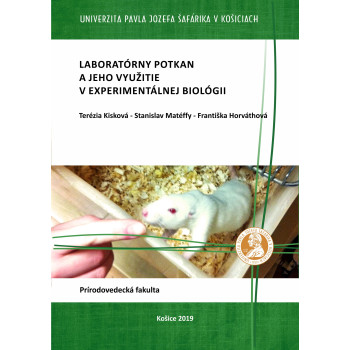
Laboratórny potkan a jeho využitie v experimentálnej biológii

Laboratórny potkan a jeho využitie v...

E-book

E-book

Terézia KiskováStanislav MatéffyFrantiška Horváthová

The laboratory rat (Rattus norvegicus) is one of the most commonly used experimental animals. It serves as a model organism for analyzing numerous biological processes and pathological mechanisms, such as cardiovascular diseases, metabolic disorders (e.g., lipid metabolism, diabetes mellitus), neurological and neuropsychiatric conditions (e.g., stroke, epilepsy, or Alzheimer's disease), neurobehavioral research, autoimmune diseases (e.g., arthritis), cancer, and renal diseases. It offers many unique advantages for modeling human diseases, testing drugs and natural substances, and studying responses to environmental factors. The size of the laboratory rat, compared to the mouse, creates ideal conditions for physiological manipulations. Additionally, rats are used in clinical toxicology to test chemical substances (Hedrich, 2000).
Download the e-book for free (pdf)

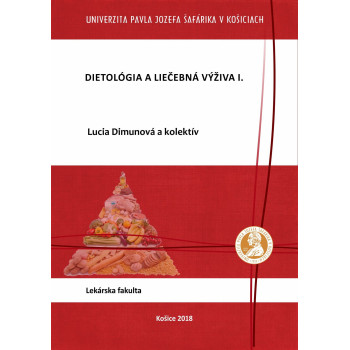
Dietológia a liečebná výživa I.

Dietológia a liečebná výživa I.

E-book

Lucia Dimunová et al.

Nutrition is among the fundamental needs of humans. A good nutritional status directly impacts an individual’s growth and development, health maintenance, and quality of life. This university textbook addresses nutrition in the context of dietetics and therapeutic nutrition, offering an overview of basic food components such as proteins, fats, carbohydrates, vitamins, and minerals.

It provides detailed insights into nutritional requirements across different developmental stages. In assessing nutritional status, it explores evaluation methods, including nutritional screening, anthropometric measurements, clinical assessments, and laboratory tests.

The text clarifies the structure of nutritional care systems for patients in home settings, healthcare facilities, and social institutions through a unified dietary system that defines basic and specialized diets. Alternative nutrition methods are discussed separately, with enteral and parenteral nutrition serving as alternatives during unfavorable health conditions.

The authors focus on application techniques and complications associated with these methods. The book concludes with food safety considerations and foundational principles of the European Union’s food policy. Currently, dietetics and therapeutic nutrition form a critical component of professional training for healthcare students in both undergraduate and postgraduate education, for whom this textbook is designed.

Authors’ Collective

Download the e-book for free  (pdf)

Prehľad dejín biológie, lekárstva a farmácie

Prehľad dejín biológie, lekárstva a farmácie

E-book

E-book

Martin BačkorMiriam Bačkorová

The proposed text focuses on the history of studying biology, medicine, and pharmacy as scientific disciplines from prehistoric times through antiquity, the Middle Ages, and the modern era. The text chronologically organizes the most significant figures in the history of biological scientific disciplines, outlines key characteristics of major historical discoveries, and reevaluates their significance from the perspective of 21st-century science.

The educational text is chronologically divided into the most significant periods of civilization development. The last two completed centuries—the 19th and 20th—are subdivided into major life science fields due to the unprecedented growth of biological disciplines and the resulting volume of acquired information.

Since it can sometimes be challenging in science to define what constitutes the past versus the present of a particular discipline, we have excluded significant biological discoveries from the early 21st century, which are typically regarded as the “present” of biology.

Download the e-book for free (pdf)

This website uses cookies to ensure you get the best experience on our website