Filter By

Categories

Categories

Selections

Selections

Year of publication:

Year of publication:

Publication language:

Publication language:

Faculty:

Faculty:

UPJŠ Unit

UPJŠ Unit

Method of publication:

Method of publication:

Active filters

  • Year of publication:: 2003
  • Year of publication:: 2009
  • Year of publication:: 2009
  • Year of publication:: 2017
  • Year of publication:: 2017
  • Year of publication:: 2017
  • Year of publication:: 2017
  • Year of publication:: 2017
  • Year of publication:: 2017
  • Year of publication:: 2017
  • Year of publication:: 2017
  • Year of publication:: 2017
  • Year of publication:: 2017
  • Year of publication:: 2017
  • Year of publication:: 2017
  • Year of publication:: 2017
  • Year of publication:: 2017
  • Year of publication:: 2017
  • Year of publication:: 2017
  • Year of publication:: 2017
  • Year of publication:: 2017
  • Year of publication:: 2017
  • Year of publication:: 2017
  • Year of publication:: 2017
  • Year of publication:: 2017
  • Year of publication:: 2017
  • Year of publication:: 2017
  • Year of publication:: 2017
  • Year of publication:: 2017
  • Year of publication:: 2017
  • Year of publication:: 2020
  • Year of publication:: 2020
  • Year of publication:: 2020
  • Year of publication:: 2020
  • Year of publication:: 2020
  • Year of publication:: 2020
  • Year of publication:: 2020
  • Year of publication:: 2020
  • Year of publication:: 2020
  • Year of publication:: 2020
  • Year of publication:: 2020
  • Year of publication:: 2020
  • Year of publication:: 2020
  • Year of publication:: 2020
  • Year of publication:: 2020
  • Year of publication:: 2020
  • Year of publication:: 2020
  • Year of publication:: 2020
  • Year of publication:: 2020
  • Year of publication:: 2020
  • Year of publication:: 2020
  • Year of publication:: 2020
  • Year of publication:: 2020
  • Year of publication:: 2020
  • Year of publication:: 2020
  • Year of publication:: 2020
  • Year of publication:: 2020
  • Year of publication:: 2020
  • Year of publication:: 2020
  • Year of publication:: 2020
  • Year of publication:: 2020
  • Year of publication:: 2020
  • Year of publication:: 2020
  • Year of publication:: 2020
  • Year of publication:: 2020
  • Year of publication:: 2021
  • Year of publication:: 2021
  • Year of publication:: 2021
  • Year of publication:: 2021
  • Year of publication:: 2021
  • Year of publication:: 2021
  • Year of publication:: 2021
  • Year of publication:: 2021
  • Year of publication:: 2021
  • Year of publication:: 2021
  • Year of publication:: 2021
  • Year of publication:: 2021
  • Year of publication:: 2021
  • Year of publication:: 2021
  • Year of publication:: 2021
  • Year of publication:: 2021
  • Year of publication:: 2021
  • Year of publication:: 2021
  • Year of publication:: 2021
  • Year of publication:: 2021
  • Year of publication:: 2021
  • Year of publication:: 2021
  • Year of publication:: 2021
  • Year of publication:: 2021
  • Year of publication:: 2021
  • Year of publication:: 2021
  • Year of publication:: 2021
  • Year of publication:: 2021
  • Year of publication:: 2021
  • Year of publication:: 2021
  • Year of publication:: 2021
  • Year of publication:: 2021
  • Year of publication:: 2021
  • Year of publication:: 2021
  • Year of publication:: 2021
  • Year of publication:: 2021
  • Year of publication:: 2021
  • Year of publication:: 2021
  • Year of publication:: 2021
  • Year of publication:: 2021
  • Year of publication:: 2021
  • Year of publication:: 2021
  • Year of publication:: 2021
  • Year of publication:: 2021
  • Year of publication:: 2021
  • Year of publication:: 2021
  • Year of publication:: 2021
  • Year of publication:: 2021
  • Year of publication:: 2021
  • Year of publication:: 2021
  • Year of publication:: 2021
  • Year of publication:: 2021
  • Year of publication:: 2025
  • Year of publication:: 2025
  • Year of publication:: 2025
  • Year of publication:: 2025
  • Year of publication:: 2025
  • Year of publication:: 2025
  • Year of publication:: 2025
  • Year of publication:: 2025
  • Year of publication:: 2025
  • Year of publication:: 2025
  • Year of publication:: 2025
  • Year of publication:: 2025
  • Year of publication:: 2025
  • Year of publication:: 2025
  • Year of publication:: 2025
  • Year of publication:: 2025
  • Year of publication:: 2025
  • Year of publication:: 2025
  • Year of publication:: 2025
  • Year of publication:: 2025
  • Year of publication:: 2025
  • Year of publication:: 2025
  • Year of publication:: 2025
  • Year of publication:: 2025
  • Year of publication:: 2025
  • Year of publication:: 2025
  • Year of publication:: 2025
  • Year of publication:: 2025
  • Year of publication:: 2025
  • Year of publication:: 2025
  • Year of publication:: 2025
  • Year of publication:: 2025
  • Year of publication:: 2025
  • Year of publication:: 2025
  • Year of publication:: 2025
  • Year of publication:: 2025
  • Year of publication:: 2025
  • Year of publication:: 2025
  • Year of publication:: 2025
  • Year of publication:: 2025
  • Year of publication:: 2025
  • Year of publication:: 2025
  • Year of publication:: 2025
  • Year of publication:: 2025
  • Year of publication:: 2025
  • Year of publication:: 2025
  • Year of publication:: 2025
  • Year of publication:: 2025
  • Year of publication:: 2025
  • Year of publication:: 2025
  • Year of publication:: 2025
  • Year of publication:: 2025
  • Year of publication:: 2025
  • Year of publication:: 2025
  • Year of publication:: 2025
  • Year of publication:: 2025
  • Year of publication:: 2025
  • Year of publication:: 2025
  • Year of publication:: 2025
  • Year of publication:: 2025
  • Year of publication:: 2025
  • Year of publication:: 2025
  • Year of publication:: 2025
  • Year of publication:: 2025
  • Year of publication:: 2025
  • Year of publication:: 2025
  • Year of publication:: 2025
  • Year of publication:: 2025
  • Year of publication:: 2025
  • Year of publication:: 2025
  • Year of publication:: 2025
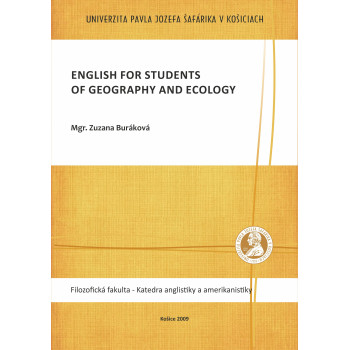
English for Students of Geography and Ecology

English for Students of Geography and Ecology

E-book

E-book

Zuzana Buráková

The English language study materials are intended for students of geography and general ecology at the Faculty of Science of Pavol Jozef Šafárik University. Their aim is to broaden communicative language competencies at an intermediate level of English proficiency, with an emphasis on the students’ field of study.

The individual chapters are based on the need for specialization within the various natural science disciplines and on preparing students to present their academic results not only at home, but also abroad. The study material contains a variety of texts, quizzes, exercises, maps, etc., which further illustrate the issues relevant to the field.

This material is intended to serve as a foundation for the future creation of even more precise materials needed for teaching specialized foreign language courses.

Download the e-book for free (pdf)

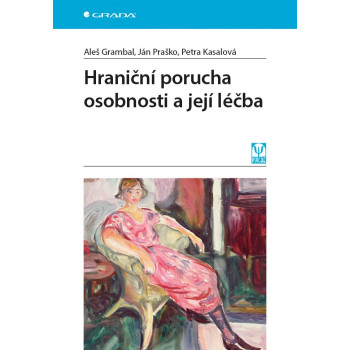
Hraniční porucha osobnosti a její léčba

Hraniční porucha osobnosti a její léčba

€19.13
Availability: 1 In Stock

Aleš Grambal Ján PraškoPetra Kasalová

Publikace se věnuje jedné z nejčastějších poruch osobnosti, která výrazně zhoršuje kvalitu života zejména mladým lidem – brání jim ve studiu, v práci i v kontaktu s vrstevníky, v navazování a udržování partnerských vztahů. Porucha se vyznačuje vysokou sebevražedností, labilními vztahy s blízkými lidmi, problémy s udržením zaměstnání a také vysokou psychiatrickou komorbiditou, tj. častým souběžným výskytem dalších psychických potíží.
   
Monografie se zabývá diagnostikou, etiopatogenezí a léčbou této závažné poruchy. Důraz je kladen také na popis komorbidity, diferenciální diagnostiky a na sociální aspekty včetně stigmatizace a sebestigmatizace. Významná část je věnována psychoterapeutickým přístupům k lidem trpícím hraniční poruchou osobnosti a farmakologické léčbě včetně současných algoritmů.

Odborné popisy jsou doplněny četnými kazuistickými příběhy, které názorně ilustrují jak problémy lidí s touto poruchou osobnosti, tak principy psychoterapeutické intervence. Kniha je určena klinickým pracovníkům, zejména psychiatrům a klinickým psychologům, ale také poradenským pracovníkům, kteří se lidem s hraniční poruchou osobnosti věnují diagnosticky, terapeuticky nebo poradensky.

Dve úrovne vedomia: bazálne a rozvinuté vedomie

Dve úrovne vedomia: bazálne a rozvinuté vedomie

€19.10
Availability: 2 In Stock

Jozef Kafka

Význam vedomia pre každého človeka ale aj pre pozná­vanie je taký rozhodujúci, že by bolo nesprávne hovoriť o ňom iba pri psychických procesoch, lebo je jadrom ľudskej individuality a práve vedomím sa človek odlišuje od ostat­ných živých tvorov.

Je potešujúce, že nová oblasť poznávania označovaná ako veda o mysli začína sa vedomím zaoberať podrobnejšie a vylučuje tvrdenia, že vedomie nejestvuje hoci zatiaľ hovorí podľa mojej mienky iba o bazálnom vedomí a jej inter­pretácie prekračujú zistené fakty.

V svojej odbornej činnosti a aj v učebniciach som rozlišoval dve cesty poznávania vedomia a  iba postupne som si uvedomil, že mám pred sebou dva úrovne vedomia. V tejto práci  rozlišujem tieto dve úrovne:

  • bazálne vedomie,
  • rozvinuté vedomie.

Ak bazálne vedomie vyjadruje bdenie a spánok, tiež po­zornosť a gnostické rozpoznávanie, teda  idiognózia a somatognózia, rozvinuté vedomie predpokladá reč a vytvára také prejavy, ktoré označujeme ako duševné, teda identita, sebareali­záciu, čo vyjadruje schopnosť uvedomovania si seba, okolia, spoločnosti ale aj všetkého čo sme schopní poznať.

Také chápanie je blízke výkladu fyziológa Pavlova o dvoch signálnych sústavách a chápaniu Poppera o treťom sve­te ale aj ďalšie náhľady, nikto však neurobil určitejšie závery a nedošiel k náhľadu, že naše vedomie má dvojvrstevnú podobu, dve úrovne.

Napriek rozsiahlej a takmer neprehľadnej literatúre vieme o vedomí málo, okrem toho, že je to schopnosť uvedomo­vania, teda schopnosť uvedomiť si, že jestvujem, že som, že jest­vujú aj iní ľudia, že jestvuje niečo čo označujeme ako svet ako nepredstaviteľný vesmír. Uvedomujem si, že som individua­litou jedinečnou, ale limitovanou narodením a smrťou a že mám aj zmysel svojho bytia. Toto uvedomovanie, akokoľvek spo­chybňované je pre človeka prítomné v jeho poznávaní, hoci nemáme zmysly, ktorými by sme vedeli lokalizovať jeho prí­tomnosť v mozgu, ale svojou charakteristikou s dynamikou a integráciou má však duševný charakter, odlišný od    ostatných preja­vov mozgovej činnosti.

Práca sa pokúša v deviatich kapitolách osvetliť, čo sa chápe pojmom bazálne a rozvinuté vedomie    a možno ju rozdeliť do troch okruhov:

V prvých šiestich kapitolách diela hovorí o vedomí ako o doméne bytia človeka, podáva sa preto výklad vedomia a jeho rozlíšenie, potom sa hovorí o kolobehu života a rozvoji ve­domia, kladie sa otázka vedomia u stavovcov, potom náhľady filozofické a metodológia skúmania vedomia. Nasledujú ďalšie kapitoly, ktoré analyzujú podrobnejšie dve formy, úrovne vedomia, sú to kapitoly 7-9, začínajú ana­lýzou individuality človeka, lebo to je báza vedomia aj je­ho foriem, ďalej kapitoly o bazálnom vedomí a rozvinu­tom vedomí, čo považujem za jadro predkladanej práce. Napokon sa opisujú niektoré poruchy vedomia, ktoré dokladajú realitu vedomia v podobe  jej porúch ale aj možnosti rozlí­šenia dvoch úrovní, ktoré sa dajú zistiť pri starostlivom štúdiu a pri práci s chorými.

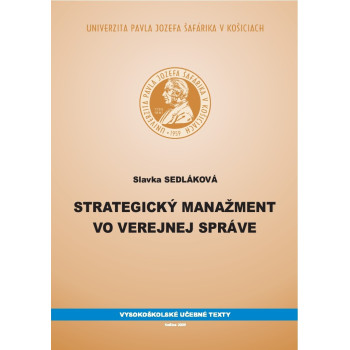
Strategický manažment vo verejnej správe
  • On sale!
  • -50%

Strategický manažment vo verejnej správe

€11.67 €5.84 -50%
Availability: 30 In Stock

Slávka Sedláková 

Význam strategického riadenia vo verejnej správe v súčasnosti neustále narastá. Strategický manažment je vedou a umením formulovať, implementovať a evaluovať rozhodnutia, ktoré pomôžu organizácii dosiahnuť dlhodobé ciele. Je to proces, ktorý zároveň zahŕňa formulovanie vízie, misie a cieľov organizácie. Dôležitú súčasť strategického manažmentu tvorí interná a externá analýza, ktorá je východiskom pre tvorbu a výber samotnej stratégie.

Autorka

This website uses cookies to ensure you get the best experience on our website