Filter By

Categories

Categories

Year of publication:

Year of publication:

Publication language:

Publication language:

Faculty:

Faculty:

Method of publication:

Method of publication:

Active filters

  • Year of publication:: 2008
  • Year of publication:: 2012
  • Year of publication:: 2017
  • Year of publication:: 2017
  • Year of publication:: 2017
  • Year of publication:: 2021
  • Year of publication:: 2021
  • Year of publication:: 2021
  • Year of publication:: 2021
  • Year of publication:: 2021
  • Year of publication:: 2021
  • Year of publication:: 2021
  • Year of publication:: 2021
  • Year of publication:: 2022
  • Year of publication:: 2022
  • Year of publication:: 2022
  • Year of publication:: 2022
  • Faculty:: Faculty of Arts
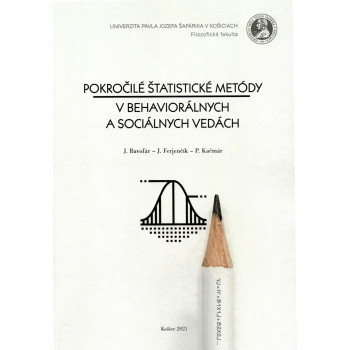
Pokročilé štatistické metódy v behaviorálnych a sociálnych vedách

Pokročilé štatistické metódy v behaviorálnych a...

€19.00
Availability: 5 In Stock

Jozef Bavoľár - Ján Ferjenčík Pavol Kačmár

Učebnica pokročilých štatistických metód v behaviorálnych s sociálnych vedách je určená študentom týchto vied, ako aj tým, ktorí sa vo svojej výskumnej praxi stretávajú s riešením stredne náročných výskumných otázok, pre zvládnutie ktorých nie je postačujúca znalosť základných štatistických metód. Učebnica na nich stavia, jej jadro však tvoria štatistické metódy, ktoré sa sústredia najmä na zachytenie multivariačných vzťahov. V úvodnej kapitole sú uvedené základné princípy testovania nulových hypotéz ako základ uvádzaných metód, pričom sú zohľadňované najnovšie trendy zamerané na otvorenosť a replikovateľnosť výskumov. Každá z nasledujúcich kapitol je venovaná vybranej metóde, prípadne skupine metód. V úvodných kapitolách sú to lineárna a logistická regresia, na ktoré nadväzuje sledovanie mediačných a moderačných efektov. Druhý veľký celok tvoria metódy skupinového porovnávania, kde sú vysvetlené rôzne alternatívy analýzy rozptylu (jednovchodná, viacvchodná, pre nezávislé výbery, opakovaná, zmiešaná), ich neparametrické alternatívy, multivariačná analýza rozptylu a analýza kovariancie. V záverečných kapitolách sú najprv prezentované dve metódy zachytávajúce podobnosti či vzťahy medzi objektmi (zhluková analýza, faktorová analýza), následne sú uvádzané princípy modelovania štrukturálnymi rovnicami. V každej kapitole je po vysvetlení účelu metódy a jej základných princípov demonštrované jej použitie na konkrétnom príklade, ponúkané sú aj návody pre výpočet v troch štatistických programoch – SPSS, Jamovi a JASP. Snahou autorov je poskytnúť učebnicu, kde záujemcovia aj bez hlbšieho matematického základu budú schopní porozumieť prezentovaným štatistickým postupom, zvoliť si pre nich ten najvhodnejší, a následne ho aj použiť na svojich dátach.

Začínajúci učiteľ a školská legislatíva I.

Začínajúci učiteľ a školská legislatíva I.

E-book

E-book

Zuzana Boberová

The aim of this university textbook is primarily to provide a comprehensive and systematic overview of the basic legislative documents related to pedagogical activities and the educational work of teachers in school practice. The textbook is primarily intended for students of academic teacher training programs, as well as recent graduates of teacher education who are beginning their teaching careers.

This publication is unique in that it does not focus on specific legislative documents and their descriptions, but rather presents the meaning and wording of various legislative documents in the context of key concepts of educational activities and typical school situations. The publication does not include the full text of cited paragraphs from laws, decrees, and ministerial guidelines, but only excerpts that are relevant to the focus and needs of the textbook.

In this way, we aim to help teacher training students and beginning teachers orient themselves regarding their rights and responsibilities as defined and delineated by school legislation, and especially to help them understand the basic legislative requirements placed on every teacher in school practice. This includes participation in the preparation of the school educational program, understanding the professional development of teachers, student assessment, approaches to students with special needs, as well as handling common school situations such as disciplinary measures, school accidents, ski training, or school events.

Given the scope of these areas, we have divided the topics into two publications according to their thematic focus.

Download the e-book for free (pdf)

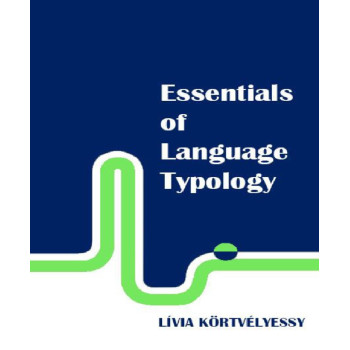
Essentials of Language Typology

Essentials of Language Typology

E-book

E-book

Lívia Körtvélyessy

This university textbook explains to students enrolled in the course Linguistic Typology and Universals the basic terminology, theoretical approaches, and research methods. The textbook is divided into eleven chapters. Each chapter presents theoretical knowledge in an accessible manner, along with practical exercises aimed at developing students’ skills in the respective area.

The textbook covers the following topics: the subject and nature of linguistic typology, a brief history of this linguistic discipline, genealogical classification of languages, various approaches and main objectives of typology across different linguistic levels (phonology, morphology, syntax, and lexicon), as well as areal typology, complex issues of language universals, and the nature and essence of typologists’ work. Given the extensive research activities of linguists from the Department of British and American Studies at Pavol Jozef Šafárik University in Košice, the textbook also introduces students to the results achieved by these scholars in this rapidly developing field of linguistics.

Download the e-book for free (pdf)

This website uses cookies to ensure you get the best experience on our website