Slovenčina



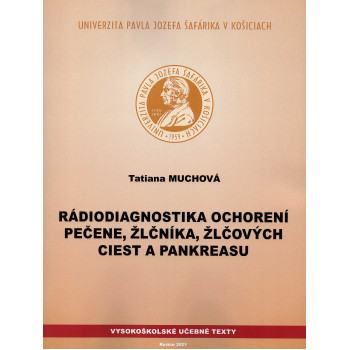
Ochorenia a poškodenia pečene, žlčníka, žlčových ciest a pankreasu predstavujú závažný diagnostický, klinický aj liečebný problém.
Táto publikácia sa zaoberá diagnostikou ochorení a traumatických poškodení pečene, žlčníka, žlčových ciest a pankreasu.
Medzi zobrazovacie diagnostické modality patrí konvenčná rádiológia – rentgen, ultrasonografia - USG, počítačová tomografia - CT a magnetická rezonancia - MR.
Keďže pojednávam o zobrazovacích modalitách, publikácia je obohatená o množstvo obrazovej dokumentácie (vlastné aj internetové zdroje) ktorá názorne ukazuje jednotlivé ochorenia, poškodenia popisovaných orgánov.
Táto publikácia je venovaná všetkým medikom, kolegom, lekárom, či už z oblasti rádiológie, ale aj pre klinikov z radov chirurgov, internistov, či gastroenterológov.
Publikácia je rozdelená na jednotlivé časti podľa orgánov a podčasti podľa zobrazovacej modality a druhov ochorenia.

Data sheet
Specific References
E-publication
Eva Slabá-Helena Mičková- Terézia Hudáková-Janka Vašková
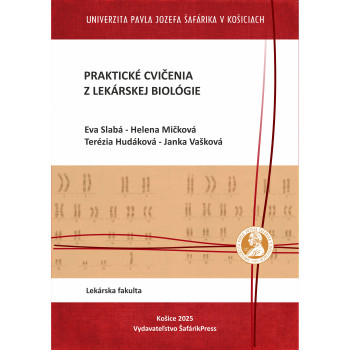
Teaching texts „Praktické cvičenia z lekárskej biológie“ provide the theoretical foundations of microscopy, various microscopic techniques and preparation of microscopic slides in an understandable form. The chapters of the teaching texts contain model questions and tasks from cytology, molecular biology and genetics enabling students to acquire new knowledge from individual thematic areas and provide instructions for the implementation of tasks during laboratory lessons in medical biology. Teaching texts are primarily intended for the practical lessons in the subjects Biológia 1 and Biológia 2 for Slovak students of the first year of General Medicine and the subjects Lekárska biológia and Genetika a regeneratívna medicína for Slovak students of the first and second year of Dental Medicine at P. J. Šafárik University in Košice – Faculty of Medicine.
Martina Zavacká a kolektív
Kniha „DIABETICKÁ NOHA Z POHĽADU CIEVNEHO CHIRURGA“ obsahuje 14 kapitol. Pojednáva o syndróme diabetickej nohy z multidisciplinárneho pohľadu viacerých odborníkov: angiochirurga, diabetológa, chirurga, podiatra, röntgenológa, neurológa a algeziológa. Úvodné kapitoly majú charakter propedeutiky, čo má taktiež význam aj pre pregraduálnu výchovu. Nasledujúce kapitoly sa zaoberajú vznikom syndrómu, výskytom, jeho diagnostikou, terapeutickými postupmi, pridruženými postihnutiami neurologického charakteru, starostlivosťou podiatra a algeziológa pri pretrvávaní bolestí. Ďalšie časti sú vyhradené chirurgickej a endovaskulárnej liečbe tepien cestou cievneho chirurga a intervenčných angiológov. Nezabúdajúc na problematiku amputácií a správnu rehabilitáciu pacientov s diabetom. V knihe nájdu poučenie cievni chirurgovia, angiológovia, všeobecní chirurgovia, diabetológovia, neurológia, röntgenológovia, podiatri a všeobecní lekári.
Kniha je zdrojom najnovších teoretických i praktických informácií pre postgraduálnu výchovu vyššie spomenutých odborníkov.
</
E-book
Terézia Kisková - Stanislav Matéffy - Františka Horváthová
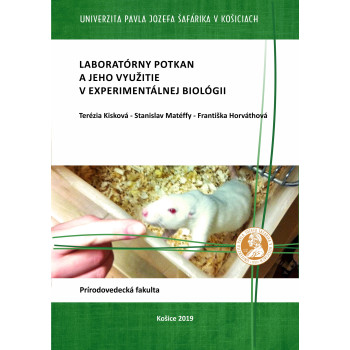
The laboratory rat (Rattus norvegicus) is one of the most commonly used experimental animals. It serves as a model organism for analyzing numerous biological processes and pathological mechanisms, such as cardiovascular diseases, metabolic disorders (e.g., lipid metabolism, diabetes mellitus), neurological and neuropsychiatric conditions (e.g., stroke, epilepsy, or Alzheimer's disease), neurobehavioral research, autoimmune diseases (e.g., arthritis), cancer, and renal diseases. It offers many unique advantages for modeling human diseases, testing drugs and natural substances, and studying responses to environmental factors. The size of the laboratory rat, compared to the mouse, creates ideal conditions for physiological manipulations. Additionally, rats are used in clinical toxicology to test chemical substances (Hedrich, 2000).
Jozef Firment a kolektív
The textbook provides a clear view of the importance of respiratory care, with an emphasis on prevention and treatment procedures. The introductory chapters present the anatomical and physiological principles of respiratory function necessary for understanding further contexts of the issue. Methods for facilitating expectoration of mucus and foreign bodies are explained. Great emphasis is placed on correct procedures for humidifying and warming the inhaled mixture, including the basics of aerosol therapy. This is an issue that is particularly important in invasive, but also non-invasive methods of ventilation therapy. The work also contains more detailed physical justifications for the explained principles. From a practical perspective, the chapters that draw attention to frequent errors in the use of humidification and aerosol technologies are also important. The texts are supplemented with many illustrative original images and explanations.
The textbook is intended primarily for doctors, nurses and physiotherapists working in the fields of anaesthesiology and intensive care, emergency medicine, in all workplaces that are dedicated to the treatment and care of patients with respiratory problems, such as pneumology, internal medicine, surgical units treating patients in the postoperative period. Last but not least, it is also an excellent supplementary study material for medical students, nursing students and paramedics.