Slovenčina


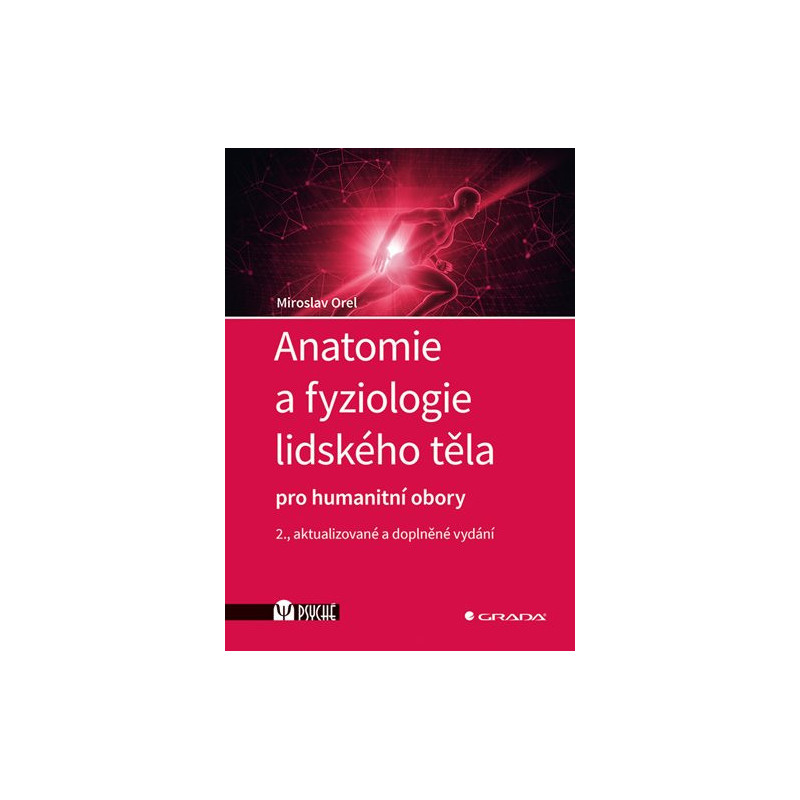
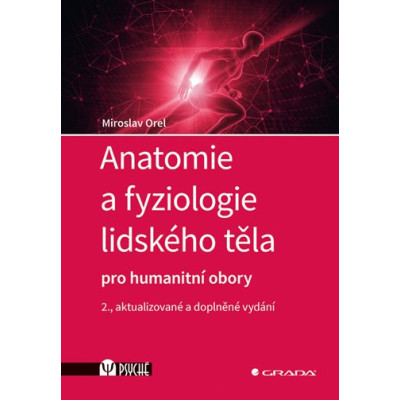
Jak vypadá a funguje lidské tělo? Z jakých částí je složeno? Jak je v něm vše propojeno, integrováno a řízeno v zájmu celku? Jak tělo zajišťuje bezpečí a obranu před nepřáteli zvenčí i zevnitř? Jak se rozmnožuje a přichází na svět? Souvisí naše tělo s oblastí duše, ducha a vztahů? A jak? Pokud vás zajímají odpovědi na tyto a další otázky, je tato kniha určena právě vám. Druhé, aktualizované a doplněné vydání publikace seznamuje se stavbou lidského těla v rozsahu, který je náplní studia psychologie, pedagogiky, sociální práce a dalších humanitních (nelékařských) oborů. Text přináší přehledné a čtivé kompendium dvou rozsáhlých teoretických oborů medicíny – anatomie a fyziologie –, aniž by příliš zabíhal do medicínských podrobností. Přibližuje oblast buněčné biologie, popisuje typy tkání v lidském těle a představuje základy celostního přístupu, který člověka chápe jako bio-psycho-sociálně-spirituální komplex, existující v určitém prostoru a čase. Nejobsáhlejší část knihy se věnuje jednotlivým orgánovým soustavám. Vedle původních ilustrací, fotografií a snímků z lékařských vyšetření výklad zcela nově doplňují fotografie skutečných lidských orgánů, které zachycují jejich velikost, tvar a mnohdy také strukturu. Aktuální vydání obohacují rovněž četné poznámky pod čarou, které přinášejí zajímavosti o probíraných tématech a podněty k zamyšlení. Publikace je primárně určena pro studenty a absolventy uvedených humanitních oborů, může však oslovit i zájemce o daná studia či čtenáře z řad širší veřejnosti. Kéž je vám k užitku.

Data sheet
Specific References
E-book
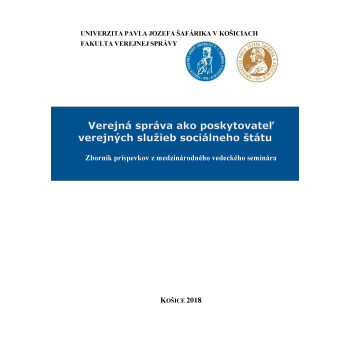
Eva Výrostová (ed.)
Proceedings of the International Scientific Seminar "Public Administration as a Provider of Public Services of a Social State - Utilising Foreign Experience for Reforms in the Slovak Republic" held at the Faculty of Public Administration, UPJŠ, Popradská 66 in Košice on 24 November 2017
Public services represent an increasingly expanding segment of the public sector. This growth can be identified primarily horizontally – from services related to general security and other forms of state functionality, through technical infrastructure, postal and telecommunications services, transportation, and information services, to increasingly emphasized healthcare, cultural, educational, and social services. Simultaneously, the entire structure of public services is expanding vertically, particularly in depth: within each area, the range of provided services is broadening.
In this context, the importance of optimizing the structure of service providers is growing, which is the focus of such reform processes as decentralization, deconcentration, privatization, or other forms of structural transformation. The outcome may vary under different conditions, resulting in diverse provider structures for public services of the social state, where the state and its bodies or organizations continue to hold a significant position.
Consequently, the significance of the public administration model as the primary state provider of these services is increasing: due to these processes, countries develop distinct and sometimes incomparable systems of public service providers, even within state bodies or organizations acting on behalf of the state. However, the varying effectiveness of public service delivery systems by public administration bodies remains a persistent reality.
E-book
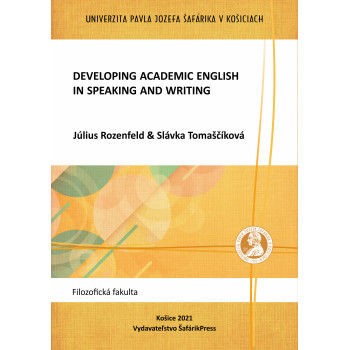
Július Rozenfeld - Slávka Tomaščíková
The academic textbook entitled “Developing Academic English in Speaking and Writing” responds to the need identified by the authors in their own teaching practice to integrate the enhancement of the academic skills of speaking and writing into a single coherent approach. Using complex methodologies of academic speaking and academic writing, the authors offer practical guidelines on how to broaden students’ knowledge of the discourse of Academic English and how to improve their academic competencies and productive language skills in speaking and writing in English.
The textbook is designed for university students of English philology, students of literary and cultural studies focusing on Anglophone areas, students of English translation and interpretation study programmes, but also for students who study in English and who are expected to engage in scientific inquiry, document their research in Bachelor and Master theses or in doctoral dissertations written in English, and to present their work to their academic community.
E-book
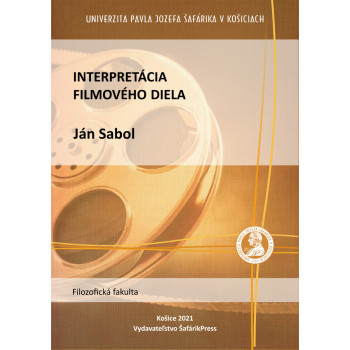
Literary, but especially film production has entered new, so to speak culturally anthropological contexts over the past period. As the technological base of this new art evolved, its position and character changed in the socio-cultural context of human existence and society.
Film and the media world in a broader context are no longer just the domain of art or media disciplines but are entering a wider framework of socio-cultural-anthropological scientific disciplines. Increasingly, people are confronted with a new phenomenon of virtual worlds, virtual dimensions that influence real reality through their actions and thoughts.
Download e-book for free (pdf)
E-book
For a non-governmental organization to be successful, it must focus, among other things, on its main goal of spreading its vision and mission to another area. It can achieve success by increasing its visibility and raising awareness about its activities in society, sending a clear message, and maintaining transparency.
The monograph deals with specific areas in which non-profit NGOs are active, i.e. marketing and fundraising. Both these areas are of key importance for the NGO’s success, therefore they require particular attention. It is well known that NGOs lack proper support in Slovakia and their funding is insufficient given the demand for their services. NGOs therefore search for multiple sources of funding and use marketing as a tool.
The monograph explains the importance of NGOs in the non-profit sector and justifies the tools they employ when navigating the commercial space.