Slovenčina



Třetí vydání úspěšné publikace je poutavou ilustrací psychoanalytického přístupu k problémům, se kterými se ve svých ordinacích běžně setkávají dětští psychiatři, lékaři i psychologové. Zejména vztahové trauma patří k nejsilnějším a vývojově nejdůležitějším událostem v životě každého z nás.
Traumatická zkušenost formuje každého člověka již od okamžiku jeho narození. Některé děti, o nichž renomovaný český psychoterapeut MUDr. Peter Pöthe píše, zažily události, které hluboce a dlouhodobě proměnily jejich prožívání a chování. Moderní psychoanalýza přináší východiska pro klinickou práci a terapii v mnoha oblastech duševního zdraví dětí – například jejich raných vztahů, sexuality, sociálního chování, agrese, separace a autonomie, závislostí, poruch příjmu potravy, delikvence, týrání a zneužívání. Autor se snaží předat přístupnou a zajímavou formou co největší množství informací z oblasti psychoanalýzy dětí a dospívajících, vývojové psychologie a psychiatrie. Věnuje se terapii i diagnostice a vše doplňuje příklady ze své praxe. Třetí vydání je obohaceno rozsáhlou kapitolou, věnovanou procesu terapeutické práce s rodiči.
Publikace se zaměřuje především na psychiatry, psychology, psychoterapeuty, sociální pracovníky, pediatry, pedagogy a vychovatele včetně učitelů mateřských škol. Jistě však v mnohém obohatí také rodiče i dospívající, kteří se trápí psychickými problémy.

Data sheet
Specific References
E-book
Lukáš Šutor (ed.)
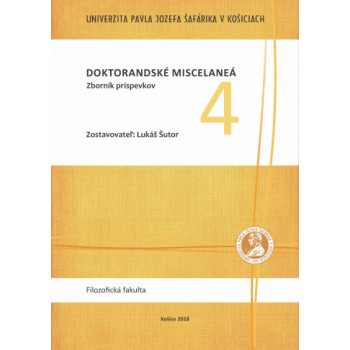
The proposed anthology represents for many doctoral students their first entry into the publishing environment of scientific genres. The studies in such cases contain the essence of future dissertation works, which represent the creative pinnacle of doctoral studies. In addition to providing doctoral students with the opportunity to publish scientific outputs, we also consider the anthology a space for interdisciplinary encounters and mutual enrichment. However, interdisciplinarity is not merely a characteristic of the anthology as a whole but also of some studies.
Most notable interdisciplinary approaches are observed in literary studies. The traditional subject of research into artistic texts is enriched in individual studies by examining theatrical and film works (Peter Getlík), linguistic aspects of phrasemes (Ivana Hudiková), musical elements (Terézia Kulíková), visual art (Dominika Petáková), and digital spaces of new media (Alexandra Popovičová). From other disciplines, we highlight Miroslava Süčová Vernarská’s study, which extends psychological research into sociological and linguistically communicative contexts (the concept of metaphor), or conversely, Zuzana Šoltésová and Dušan Šlosár’s contribution, analyzing eating disorders from their disciplinary background in social work.
Both mentioned disciplines also include contributions with traditional research subjects. Nikola Fabiny from psychology analyzes consequence expectations in the context of goal selection and achievement. Jana Plavnická and Dušan Šlosár’s co-authored study from the Department of Social Work presents a multi-perspective analysis of integration barriers for immigrants in Slovakia. Within their own disciplines, both philosophy contributions operate: Juraj Brenišin interprets the ethical aspects of Avicbron’s Fons vitæ, while Michal Kručko examines Edmund Husserl’s unfinished work through a comparative lens of his students Jan Patočka and Roman Ingarden. The anthology concludes with Lukáš Lukačín’s study (written in English), which explores the semantic-grammatical category of modality in the verbs MAY and CAN within legal-administrative documents of the European Union.
The representation of academic disciplines and doctoral students’ individual creative outputs in Doktorandské miscelaneá 4 is thus appropriately diverse. We present this publication to the broader academic community as a representative overview of trends in young scholars’ thinking across the spectrum of humanities and social sciences doctoral programs at the Faculty of Arts, UPJŠ in Košice.
Lukáš Šutor
E-book
Lucia Tóthová - Katarína Šiňanská - Eva Žiaková
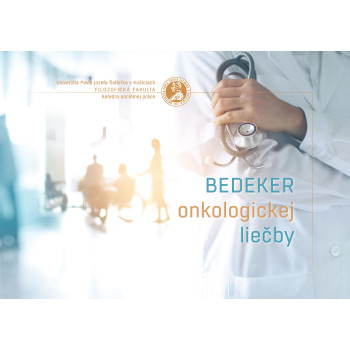
Here is the translation of the provided text into English: A guide to oncological treatment was created at a time when the importance of health became even more emphasized, becoming a kind of mega-value for the new modern "pandemic" human. The use of the term "pandemic" person arose, of course, in connection with the emergence of the coronavirus pandemic worldwide, but primarily because other dangerous long-term diseases that threaten contemporary humans are somehow being pushed into the background.
The severity of such diseases (including cancer) does not diminish just because attention has shifted to something more acute. It is very important to realize this and not fall under the illusion that if we overcome an acute danger, then automatically improve conditions for chronic diseases as well. We believe it's quite the opposite; prolonged stress and social negative factors constantly affecting us—among which undoubtedly includes pandemic situations—worsen not only psychological but also somatic states.
The guide to oncological treatment aims precisely at highlighting those psychological and social factors that negatively "support" cancer development in any form and can positively influence treatment and coping with illness. The guide offers opportunities for social engagement with groups of people undergoing similar oncological treatments, allowing them to share psychologically as well as professionally similar situations with those facing similar problems in treatment. The authors hope that this guidebook will reach those who will become more self-sufficient in overcoming such a formidable enemy as cancer.
Authors
E-book
Lenka Hudáková a kol.
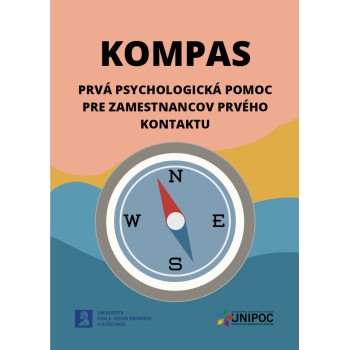
Táto príručka vznikla ako súčasť projektu zameraného na rozvoj komunikačných a psychohygienických zručností pre nepedagogických zamestnancov prvého kontaktu na Univerzite Pavla Jozefa Šafárika v Košiciach (KomPas UPJŠ) pod vedením Mgr. Lenky Hudákovej, PhD., avšak je venovaná všetkým Vám zamestnancom a zamestnankyniam, ktorí sa denne vo svojej práci stretávate s náročnými, vypätými a emočne nabitými situáciami. Vychádzame z presvedčenia, že kvalitný výkon Vašej profesie je možný len vtedy, ak sa samotný zamestnanec cíti psychicky bezpečne, stabilne a kompetentne. Veríme, že táto príručka Vám môže byť cenným sprievodcom na ceste k väčšiemu pocitu istoty, pokoja a profesionálnej pohody.
E-book
Františka Petriková - Vladimír Lichner - Eva Žiaková
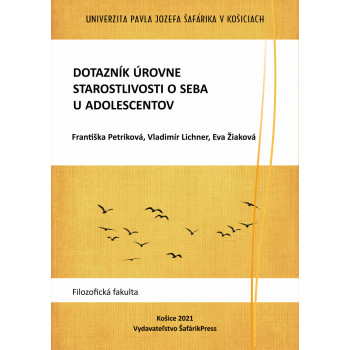
The proposed methodological guide focuses on a self-care questionnaire for the target group of adolescents. The creation of this methodology was prompted by its absence in the conditions of the Slovak Republic. The methodological guide consists of both theoretical and empirical parts.
In the theoretical part, the authors present theoretical foundations for the proposed methodology—self-care among adolescents—and also provide theoretical definitions of components of self-care in this target group. The second, empirical part of the methodological guide is dedicated to validation methods used to verify the questionnaire. It also presents results examining differences or correlations in the presented issues.
Download e-book for free (pdf)