Slovenčina


E-publication
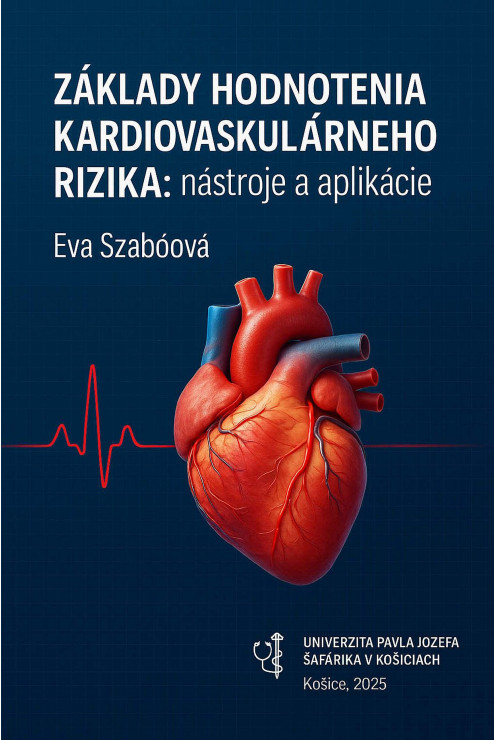
The publication "Fundamentals of Cardiovascular Risk Assessment: Tools and Applications" is the first of its kind in Slovakia. It was created with the aim of providing healthcare professionals, medical students, and anyone interested in the subject with a clear, practical overview of cardiovascular risk. The book presents a global and national picture of mortality, emphasizes the importance of prevention and screening, and introduces the basic principles of risk assessment. Special attention is paid to risk factors and modifiers that can significantly change a patient's prognosis. For a better understanding of the issue, the reader will also find chapters devoted to clinical conditions, an overview of scoring systems, risk categories, and finally practical examples from clinical practice that link theory with everyday medical reality. Our goal is for this book to be not only an educational tool, but also a practical guide for decision-making in clinical practice. We believe that it will contribute to a better understanding of the complexity of cardiovascular risk and at the same time help to strengthen the emphasis on prevention, which remains the most effective tool in the fight against these diseases.

Data sheet
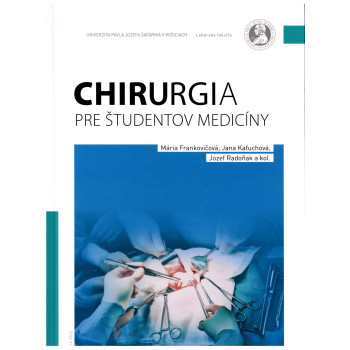
Mária Frankovičová - Jana Kaťuchová - Jozef Radoňak a kol.
Vysokoškolská učebnica určená študentom všeobecného lekárstva, ktorá predstavuje kompaktný zdroj informácií nevyhnutných pre úspešné zvládnutie štúdia predmetu chirurgia. Obsahuje kapitoly z chirurgickej propedeutiky, chirurgie krku, hrudníka a brucha, ako aj nadstavbových chirurgických odborov, vrátane traumatológie, neurochirurgie, ortopédie, urológie, cievnej, plastickej, detskej chirurgie a kardiochirurgie.
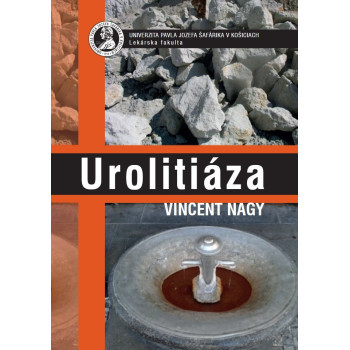
Predkladaná monografia sa komplexne venuje problematike urolitiázy. Má 19 kapitol, ktoré zahrňujú celú šírku problematiky urolitiázy a to epidemiológiu, etiológiu, typy konkrementov, osobitné situácie pri urolitiáze, diagnostiku urolitiázy, zobrazovacie vyšetrovacie metódy pri urolitiáze, konzervatívnu liečbu urolitiázy, chirurgické a endoskopické metódy liečby urolitiázy, metafylaxiu konkrementov a konkrementy v močovom mechúri. V monografii sa zdôrazňuje význam individuálneho rozhodovania o optimálnom spôsobe liečby. Do úvahy sa berie veľkosť konkrementov, ich počet, lokalizácia, anatomické predpoklady a röntgenologické charakteristiky. Pri plánovaní aktívnej liečby sa zdôrazňuje význam resp. potreba zobrazovacími metódami vyšetriť aj anatómiu vývodných močových ciest. Nezastupiteľné miesto, najmä v prípadoch viacpočetnej a opakujúcej sa urolitiázy a geneticky podmienenej urolitiázy, má kompletné metabolické vyšetrenie. Dokumentuje všetky moderné spôsoby diagnostiky a liečby urolitázy. Metodicky opisuje liečbu urolitiázy – akútny management pri renálnej kolike, pri urosepse pri konkrementom zablokovanej obličke a v tehotenstve. Prevažná väčšina pacientov s urolitiázou je liečená farmakologicky a semininvazívnymi technikami. Vychádza sa z vlastných skúseností, komentuje využitie extrakorporálnej litotripsie, endoskopických metód, stentov. Monografia venuje pozornosť aj auxiliárnym metódam, ktoré sa používajú v liečbe urolitiázy, liečbe sprievodnej infekcie, poranení obličiek a močových ciest, poranení okolitých orgánov, rôznych spôsobov derivácie moču, krvácania. V závere sú spomenuté kalcifikácie pri obličkových tumoroch.
Autor
E-book
Ivana Skoumalová - Zuzana Dankulincová
The publication entitled Competencies for clinical practice in the field of communication with the patient serves as the background and teaching material.
The text is structured to bring theoretical knowledge about the topic, current research findings in the field and practical tips for training skills in practice. It provides clear information on individual parts of the training and is designed to acquire knowledge that is the basis for practical skills in medical communication, especially in communication with patients.
It is intended for general and dental students to deepen their knowledge and acquire missing skills in medical communication, which are evidence-based and research-validated skills that have a demonstrable positive impact on patient communication.
E-book
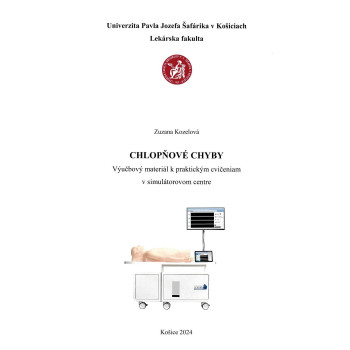
Vysokoškolský učebný text Chlopňové chyby je prvou slovenskou publikáciou, ktorá sa venuje využitiu simulátorovej medicíny vo výučbe auskultácie srdca. Cieľom publikácie bolo skvalitnenie štúdia vnútorného lekárstva využitím kardiologického simulátora, ktorým disponuje Centrum simulátorovej a virtuálnej medicíny (CSVM) na Lekárskej fakulte UPJŠ. Výučbový materiál môže poslúžiť nielen ako príprava k praktickým cvičeniam so simulátorom Cardiology Patient Simulator „K“ ver 2 (Kyoto Kagaku), ale aj ako užitočná pomôcka pre študentov počas praktických cvičení pri lôžku pacienta. Študenti v publikácii nájdu okrem detailného opisu auskultačných nálezov na jednotlivých chlopniach aj podrobne vysvetlenú ich klinickú manifestáciu u pacienta pri fyzikálnom vyšetrení. Samozrejmou súčasťou sú EKG a echokardiografické nálezy a v neposlednom rade aj možnosť manažmentu jednotlivých chlopňových chýb podľa najnovších odporúčaní Európskej kardiologickej spoločnosti. Využitie publikácie je pre študentov medicíny od internej propedeutiky (3. ročník) až po záverečné štátnicové skúšky.
Knihu si môžete kúpiť v tlačenej verzii na tomtoodkaze